
Modern construction often needs speed, consistency, and less manual work. A large auto concrete mixer meets these needs. It mixes big volumes of concrete automatically. This saves time and helps keep quality steady. Let’s see how it works and why it matters.
What Is a Large Auto Concrete Mixer?
A large auto concrete mixer is a machine that mixes concrete with little operator input. It can handle large batches thanks to its size. It belongs to the family of large concrete mixers but adds automation.
Automation means the machine controls mixing steps on its own. Sensors and settings adjust speed and timing. This cuts human error and keeps each batch uniform. For big sites, this is a clear advantage.
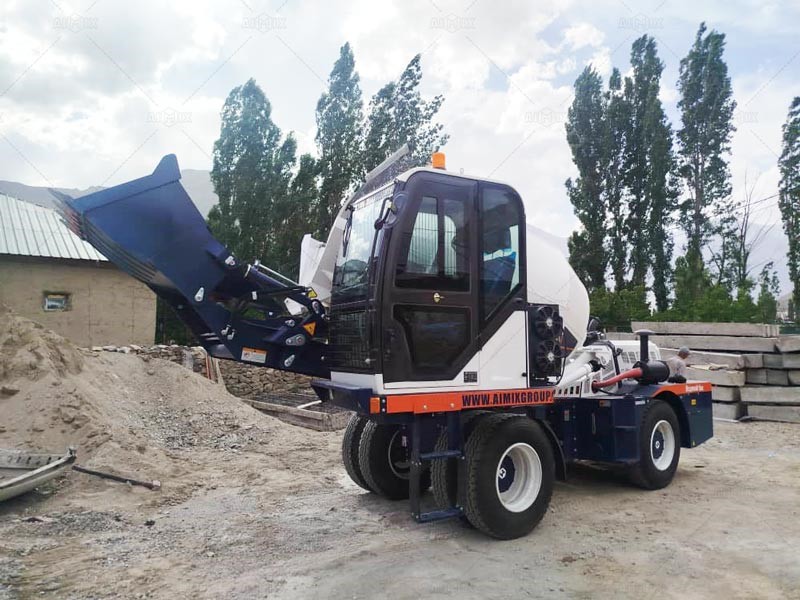
Some models also act as a self loading mixer. They load raw materials, mix them, and discharge concrete. This removes the need for separate loading equipment. It makes the whole process smoother.
Key Types Within the Large Auto Concrete Mixer Range
You will find different kinds of auto concrete mixer machines. One type links to a self loading mixer setup. It scoops sand, gravel, and cement into the drum. Then it mixes and pours concrete where needed.
Another type works with a transit system. Ready-mix trucks bring materials to the machine. The large auto concrete mixer then blends them to order. This suits sites that get deliveries from batch plants.
Power options also vary. A diesel concrete mixer offers freedom from fixed power lines. It runs well in remote areas or places with unstable electricity. Diesel models are common in large auto concrete mixers for tough job conditions.
Main Advantages for Construction Teams
First, productivity rises with a large auto concrete mixer. It mixes more concrete in less time. Teams spend less waiting and more building. This helps meet tight deadlines.
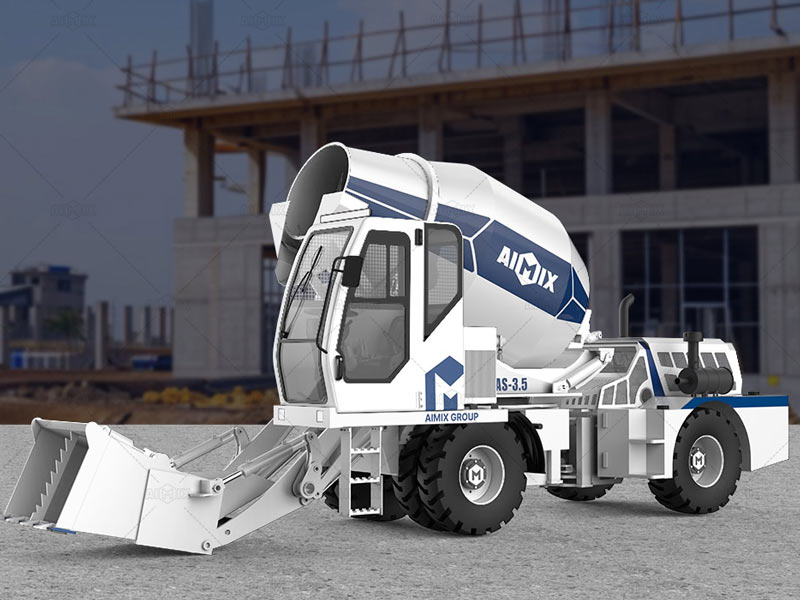
Second, labor needs drop. A self loading mixer does tasks of several machines. Fewer workers are needed for moving and mixing. This can lower site costs and simplify management.
Third, consistency improves. Automated controls keep mix ratios exact. Each batch reaches the right strength and texture. Structures gain better durability from this precision.
Also, safety can improve. Operators stay clear of heavy loading actions. The machine handles repetitive, risky steps. This lowers chances of strain or injury.
Things to Check Before Buying
Start by matching size to daily output. A large concrete mixer is useless if it makes more than you need. Overcapacity wastes fuel and space. Under capacity slows work. Calculate typical batch sizes and peak demand.
Next, review power and site access. A diesel concrete mixer suits rough terrain and open sites. Electric models may cut fuel cost but need reliable power. Check if roads and gates allow the mixer’s movement.
Look at automation level. Some auto concrete mixer machines offer simple timers. Others have digital controls and diagnostics. More advanced systems cost more but aid operation and maintenance.
Service support matters too. Ask about parts availability and technician reach. Quick fixes limit downtime. A reliable supplier helps protect your investment.
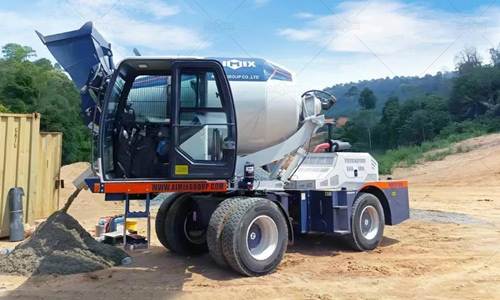
Do not skip the self loading mixer test. Check loading arms and controls. They must lift and place materials steadily. Any delay here slows the whole cycle.
Balancing Cost and Long‑Term Value
The concrete mixer price often reflects size, power, and automation. A large auto concrete mixer costs more than a basic drum mixer. Yet it can replace multiple machines and workers. Over months, this may cut total job expense.
A self loading mixer adds function, so its price is higher. Still, you save on a front‑end loader and extra staff. Factor in these indirect savings when judging cost.
A diesel concrete mixer may have higher fuel use. Yet it keeps working where electric mixers cannot run. This prevents delays that hit budgets harder than fuel bills.
Choose strong build quality. A large concrete mixer made with thick steel lasts longer. Less wear means fewer repairs. This protects both performance and resale value.
Tips for Getting the Best Performance
Train operators well. Even an auto concrete mixer machine needs skilled handling. Staff should know startup, shut‑down, and safety steps. This avoids misuse and extends life.
Clean the mixer after each use. Hardened concrete wears blades and drums. Regular washout keeps mixing smooth and efficient.
Inspect often. Check hydraulic lines on a self loading mixer. Look for cracks in the drum and wear in bearings. Fix small issues early to avoid big failures.
Monitor fuel or power use. Sudden changes may signal mechanical problems. Early action keeps running costs predictable.
Keep a log of batches and faults. Patterns reveal if settings need tweaking. This fine‑tunes performance and reduces waste.
Common Uses in South Africa and Beyond
In South Africa, large auto concrete mixers serve many sectors. They appear on road projects, commercial builds, and farm constructions. A diesel concrete mixer works well in regions with limited grid power.
Remote housing schemes gain from a self loading mixer. It travels to sites without full infrastructure. There, it supplies fresh concrete without relying on outside deliveries.
Mining camps and industrial yards also use large concrete mixers. These sites need strong, mobile mixing power. Automation helps maintain output with small crews.
Conclusion
A large auto concrete mixer brings size, automation, and flexibility together. It includes forms such as the self loading mixer and diesel concrete mixer. As an auto concrete mixer machine, it cuts labor and boosts consistency.
When choosing a large concrete mixer, weigh capacity, power, and automation against job needs. Check support and build quality for lasting value. Used right, this equipment helps teams work faster, safer, and with fewer headaches.