
The journey from raw stone extraction to ready-to-use construction materials is complex, involving multiple stages that link mining operations with construction projects. Stone crusher plants play a critical role in this value chain, turning raw rocks into aggregates suitable for roads, housing, and industrial projects. This case study explores how an integrated approach in Peru has successfully connected upstream mining activities with downstream construction demands, highlighting practical solutions, equipment choices, and operational strategies.
Overview of Stone Crushing Plants
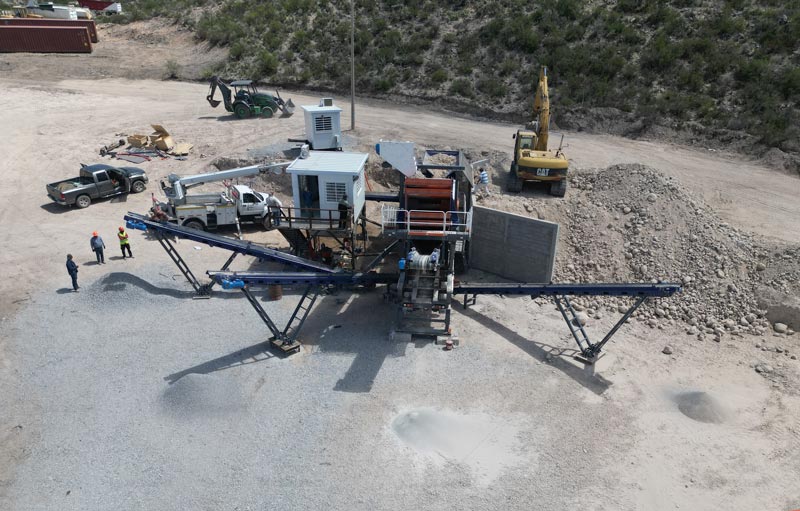
A stone crusher plant(planta trituradora de piedra) is a facility where raw stones from quarries or mining sites are processed into usable aggregate products. These plants range from stationary setups to mobile solutions, depending on the scale of operation and project requirements. Stationary stone crusher plants are ideal for large-scale operations with stable production needs, while mobile stone crushers offer flexibility for projects with shifting site locations or temporary contracts.
Key Components of a Stone Crusher Plant
Modern stone crusher plants are typically composed of several core components:
- Feeders: Ensure uniform material input to crushers.
- Crushers: The heart of the plant, which reduces stone size to desired specifications. Jaw crushers, cone crushers, and impact crushers are commonly used.
- Screening units: Separate crushed stones by size to meet specific project requirements.
- Conveyors: Efficiently transport materials between crushers, screens, and stockpiles.
- Control systems: Modern plants employ automation for monitoring production efficiency and safety.
In Peru, where construction projects vary from urban housing to large infrastructure, having a reliable stone crusher plant ensures consistent supply and quality of aggregates, which is crucial for both cost control and timely project completion.
Challenges in Connecting Upstream and Downstream Industries
The integration of upstream mining and downstream construction industries involves multiple challenges, from logistics to operational efficiency. Understanding these challenges is key to designing an effective stone crushing operation.
Supply Chain Coordination
One of the main obstacles is coordinating supply chains between quarries and construction sites. Mining operations often occur in remote areas, requiring efficient transportation solutions. Mobile stone crushers(Trituradoras de piedra móviles) provide a flexible alternative, allowing crushed aggregates to be processed closer to construction sites, reducing transportation costs and delivery times.
Consistency in Material Quality
Construction projects demand consistent quality in aggregates to meet safety and structural standards. Variability in raw stone characteristics, moisture content, and hardness can affect production output. Implementing quality control measures at the stone crusher plant, including material testing and standardized crushing procedures, ensures that downstream construction activities receive uniform and reliable aggregates.
Environmental and Regulatory Compliance
Mining and crushing operations are subject to strict environmental regulations in Peru. Dust, noise, and water management are critical considerations. Modern stone crusher plants integrate dust suppression systems, noise-reducing enclosures, and proper waste management practices. Meeting regulatory requirements not only avoids legal issues but also fosters a sustainable relationship with local communities and construction partners.
Case Study: A Stone Crusher Plant in Peru
To illustrate the practical application of linking upstream and downstream industries, consider a medium-sized aggregate plant in the Andes region of Peru. This plant was designed to serve both local construction needs and infrastructure projects, including roads and housing developments.
Plant Configuration and Equipment
The plant utilizes a combination of stationary and mobile stone crushers. A stationary jaw crusher handles the primary crushing of large boulders, while a mobile stone crusher processes intermediate-sized material closer to construction sites. This dual approach allows for both high-volume production at the central site and on-demand flexibility in nearby projects.
The aggregate plant includes:
- Primary jaw crusher with a capacity of 300 tons per hour.
- Mobile cone crusher for secondary crushing with adjustable output sizes.
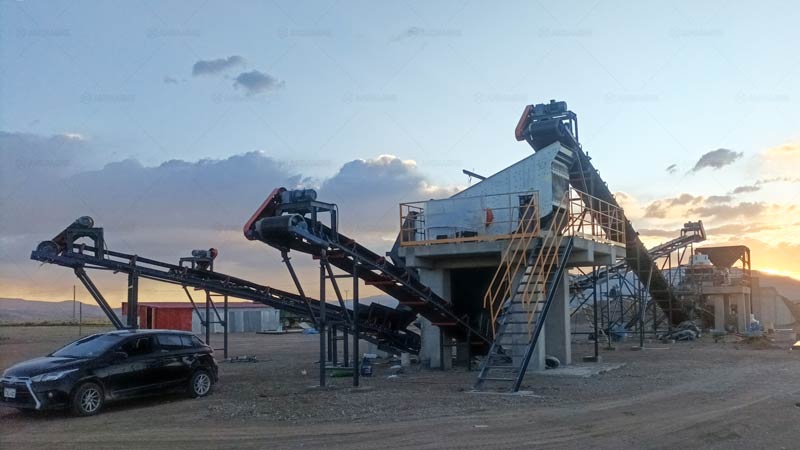
- Vibrating screens for precise separation of aggregate grades.
- Conveyor belts connecting different stages to minimize manual handling.
- An automated control system for monitoring plant performance and material flow.
Operational Workflow
The operational workflow begins with extraction at the upstream quarry. Trucks transport raw stone to the central stone crusher plant Peru(plantas chancadoras de piedra Perú), where primary crushing reduces stone size. Material then passes through secondary crushers or mobile units depending on site proximity and project specifications. Final aggregates are screened, stockpiled, and dispatched to construction sites. The mobile stone crusher units can also be deployed directly at large infrastructure sites to reduce transportation distances, ensuring timely supply of high-quality materials.
Integration with Construction Projects
By integrating stone crusher plant operations with construction schedules, project managers can coordinate the production of aggregates to match demand peaks. For example, during road construction in mountainous areas, mobile stone crushers are stationed nearby, producing the required aggregate sizes on-site. This approach minimizes delays, reduces transportation costs, and ensures material consistency, which is critical for structural integrity and surface quality.
Benefits of Connecting Upstream and Downstream Industries
Enhanced Efficiency
Integrating quarry operations with construction demands improves overall efficiency. Centralized processing at stationary plants combined with mobile units allows operators to optimize crushing sequences, reduce idle time, and adjust production rates according to real-time demand.
Cost Savings
Reducing transportation distances and minimizing material handling lowers operational costs. Mobile stone crushers play a key role in this strategy by producing aggregates near project sites, which can be especially beneficial in regions with difficult terrain or limited infrastructure.
Quality Assurance
Maintaining consistent aggregate quality is easier when the upstream and downstream operations are coordinated. Regular testing, feedback from construction sites, and automated control systems ensure that stone crusher plant outputs meet project specifications.
Environmental Sustainability
Using mobile stone crushers reduces emissions associated with long-distance transportation. Dust suppression and noise control measures in the plant and at mobile units further enhance environmental compliance, supporting sustainable construction practices in Peru.
Lessons Learned and Best Practices
This case study highlights several lessons for operators seeking to connect upstream and downstream industries:
- Flexible Plant Design: Combining stationary and mobile units allows adaptation to changing project locations and volumes.
- Integrated Logistics: Close coordination between quarry operations, transport, and construction sites is crucial for efficiency.
- Quality Control: Implementing systematic material testing ensures aggregate consistency, essential for structural projects.
- Regulatory Compliance: Investing in dust, noise, and waste management systems protects both the environment and operational licenses.
- Technology Adoption: Automated control systems enhance monitoring, reduce manual errors, and allow real-time adjustments in production.
Conclusion
Connecting upstream mining operations with downstream construction projects through stone crusher plants is both a strategic and operational necessity. In Peru, integrating stationary and mobile stone crushers has proven effective in meeting the varying demands of construction projects while maintaining high-quality aggregates. By addressing challenges in logistics, quality control, and environmental compliance, stone crusher plants not only optimize production but also support sustainable and cost-efficient construction practices. This practical approach demonstrates how modern stone crusher plants, including aggregate plants(plantas de agregados) and mobile stone crushers, can successfully bridge the gap between quarries and construction sites.
Ultimately, investing in an adaptable and well-managed stone crusher plant Peru ensures that the supply of aggregates is reliable, consistent, and aligned with the needs of construction projects, creating value across the entire industry chain.