
Evaluating a global asphalt plant supplier for remote rural roads construction without examining onsite wiring footprint and operator interface design is selecting equipment against urban deployment assumptions that field conditions in remote corridors consistently contradict. A mobile asphalt plant whose electrical circuits, hydraulic plumbing, and pneumatic connections arrive pre-integrated at the factory eliminates the onsite installation scope that skilled tradespeople are needed to complete — and in remote rural roads construction environments where certified electricians and instrumentation technicians are unavailable within any reasonable mobilization radius, that pre-integration is not a convenience feature. It is the operational prerequisite that determines whether the plant commissions on schedule or waits for support that cannot reach the site.
How Factory Pre-Integration Reduces Onsite Wiring and Plumbing Scope
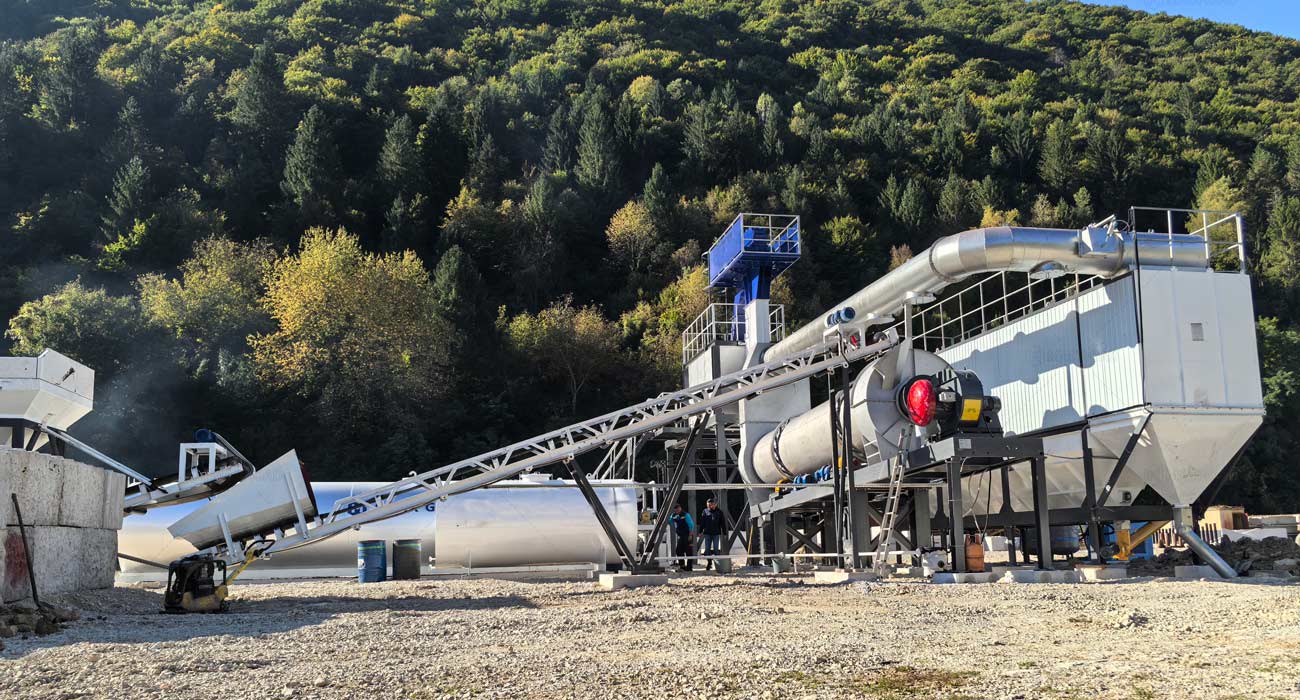
A mobile asphalt plant engineered for rural roads construction deployment arrives with inter-module electrical harnesses, hydraulic lines, and pneumatic circuits pre-routed and terminated within each chassis-mounted module — requiring only standardized multi-pin connector mating and quick-release fluid coupling engagement between modules during site assembly. This factory pre-integration approach reduces onsite wiring scope from a multi-day instrumentation task requiring specialist tooling to a connection sequence that a trained site crew completes with standard hand tools within a single shift.
Asphalt drum mix plant manufacturer designs that achieve genuine pre-integration route all inter-module cabling through protected conduit systems mounted on the chassis structure — eliminating site-run cable trays, junction box installations, and field termination work that introduce wiring error risk in remote conditions where fault diagnosis is difficult. Request the inter-module connection count and connector type specification from every supplier, confirming that standardized plug-and-play connections replace field terminations across all electrical, hydraulic, and pneumatic circuits.
Icon-Based Control Interface Design for Low-Skilled Rural Operators
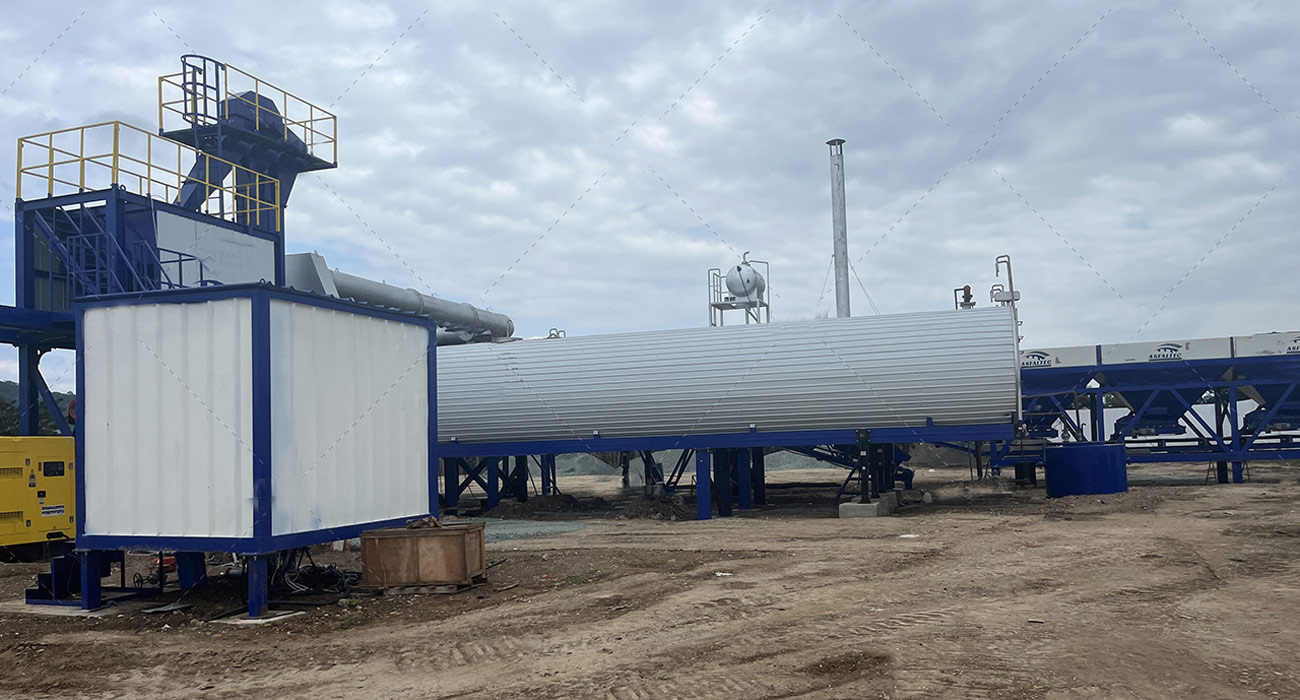
Control interface design for rural roads construction mobile asphalt plant deployment must accommodate operators whose technical training may cover equipment operation without extending to PLC fault interpretation or parameter calibration through text-heavy menu systems. Icon-based touchscreen interfaces that represent plant components graphically — displaying the drum, cold bins, burner, and bitumen system as recognizable visual elements with color-coded status indicators — allow operators to monitor production status and respond to fault conditions without interpreting alphanumeric fault codes that require technical documentation to decode.
Calibration workflows on a well-designed mobile asphalt plant interface guide operators through parameter adjustment sequences using step-by-step graphical prompts rather than numerical entry screens requiring engineering knowledge to navigate correctly. This guided calibration approach reduces the error rate that manual parameter entry generates when low-skilled operators perform routine aggregate proportioning adjustments or burner temperature recalibration between production shifts on a remote rural roads construction site without supervisor oversight.
Macroad’s Approach to Simplified Rural Deployment Integration
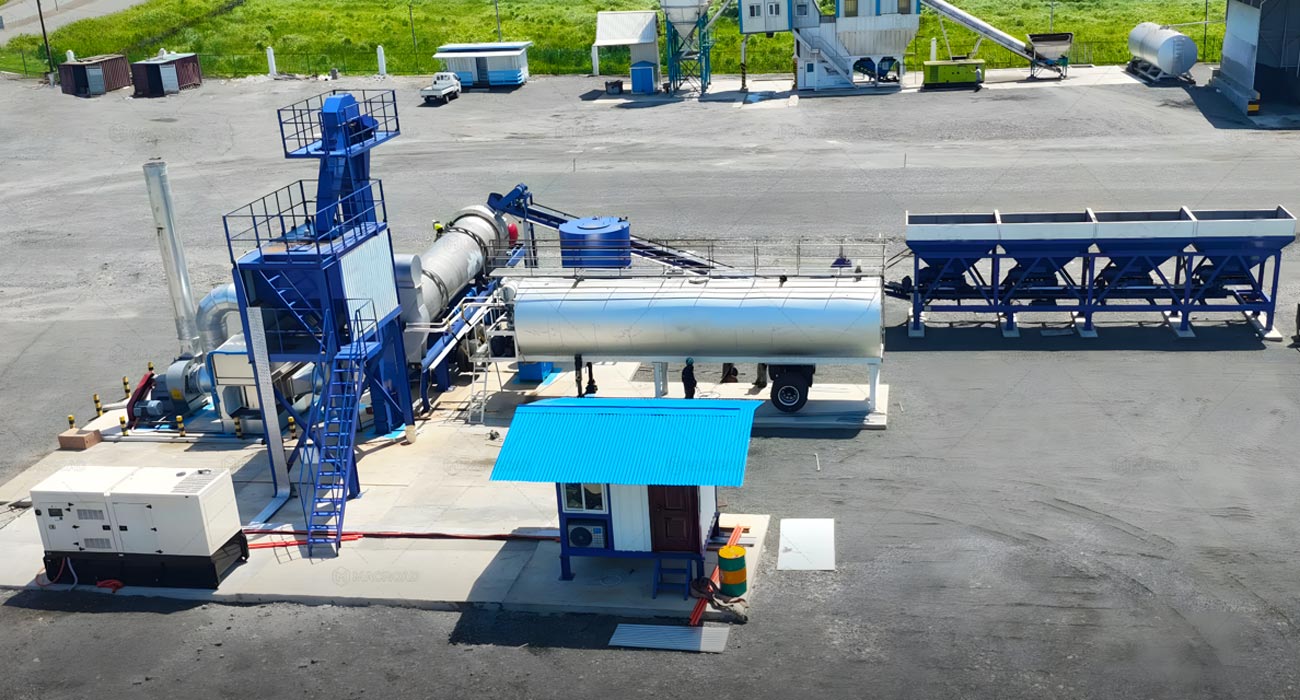
Macroad – road construction machinery manufacturer with established presence in the Indonesian market and a local service center network, approaches mobile asphalt plant design for rural roads construction with pre-integration and operator accessibility as primary engineering commitments rather than specification additions. The local service center infrastructure means that when calibration support or commissioning guidance is required on a remote rural project, technical response comes from within the region rather than from an international support team operating across time zones — a practical difference that rural roads construction project schedules reflect directly in reduced commissioning delay risk.
For contractors evaluating global suppliers against local market realities, Macroad’s understanding of rural infrastructure logistics — including the operator skill profiles, access constraints, and parts availability conditions that remote Indonesian project corridors generate — represents deployment experience that equipment specification sheets do not quantify but that rural roads construction project outcomes depend on.
Conclusion
A mobile asphalt plant for remote rural roads construction demonstrates genuine deployment engineering through factory pre-integrated wiring and plumbing, standardized inter-module connections, and icon-based operator interfaces — and suppliers like Macroad who combine this engineering standard with local service center support deliver rural roads construction readiness that imported equipment without regional infrastructure cannot match on the projects where deployment complexity matters most.