
The modern construction site is a crucible of productivity, yet it is also a significant source of environmental particulate matter and material attrition. Among the cacophony of heavy machinery, the self loading mixer truck stands out as a paragon of versatility, capable of batching and transporting concrete with remarkable autonomy. However, a less visible but equally critical evolution is occurring within its rotating drum: the advancement of sealing technology. Historically, the discharge chute and the drum’s opening were primary culprits for the egress of cement dust and the pernicious leakage of slurry, contributing to a fugitive dust problem that plagues both urban and rural developments. This not only constitutes a waste of valuable binding agents but also poses serious health and safety risks to personnel and adjacent communities. The implementation of sophisticated sealing mechanisms is not merely an incremental improvement; it is a transformative intervention that curtails material loss, mitigates environmental pollution, and fosters a more sustainable and compliant operational ethos.
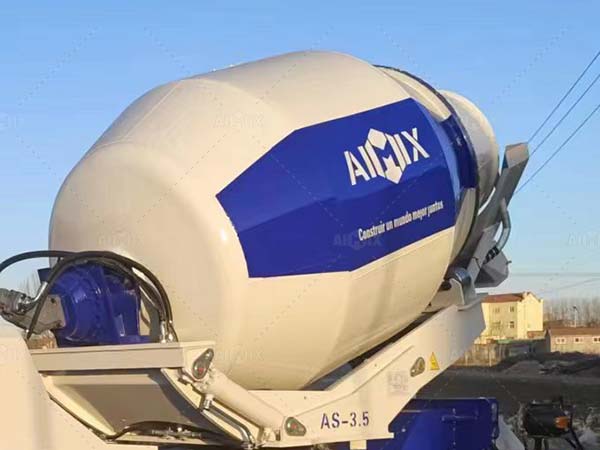
1. The Mechanisms of Dust Suppression and Containment
The primary vector for dust generation on a traditional mixer is the gap between the rotating drum and the stationary hopper. Advanced sealing technologies are designed to occlude this aperture, creating a formidable barrier against the escape of fine particulate matter.
Ingress Prevention and Negative Pressure Zones
Modern self-loading mixers often utilize a labyrinthine seal, or a combination of rubber and polyurethane gaskets, that conform to the drum’s exterior. These seals are engineered to maintain contact even during the drum’s oscillations and rotational movements. More sophisticated variants incorporate a pneumatic or hydraulic actuation that exerts a constant, regulated pressure on the sealing ring, compensating for minor wear and thermal expansion. By effectively sealing the loading opening, the system prevents the entrainment of air that can carry cementitious dust outward. This containment is so efficient that it allows the concrete mixer to maintain a slight negative pressure internally, ensuring that any incidental fugitive dust is drawn back into the drum rather than expelled, thereby preserving the ambient air quality on the job site to a degree previously unattainable.
Mitigation of Wind-Induced Erosion
Construction sites are notoriously exposed, making them susceptible to the erosive forces of wind. Without adequate sealing, the surface of the concrete mix within the drum is desiccated by airflow during transport and idle periods. This surface drying creates a fine, powdery crust that is easily dislodged and aerosolized when the drum rotates. High-integrity drum seals drastically reduce this airflow over the mix, maintaining a more consistent internal humidity. This not only reduces the generation of airborne dust but also prevents the premature loss of moisture from the concrete, a factor that is critical for preserving the water-cement ratio. Consequently, the material delivered to the pour point exhibits superior workability and reduced cracking potential, demonstrating that effective sealing is intrinsically linked to both environmental responsibility and structural integrity.
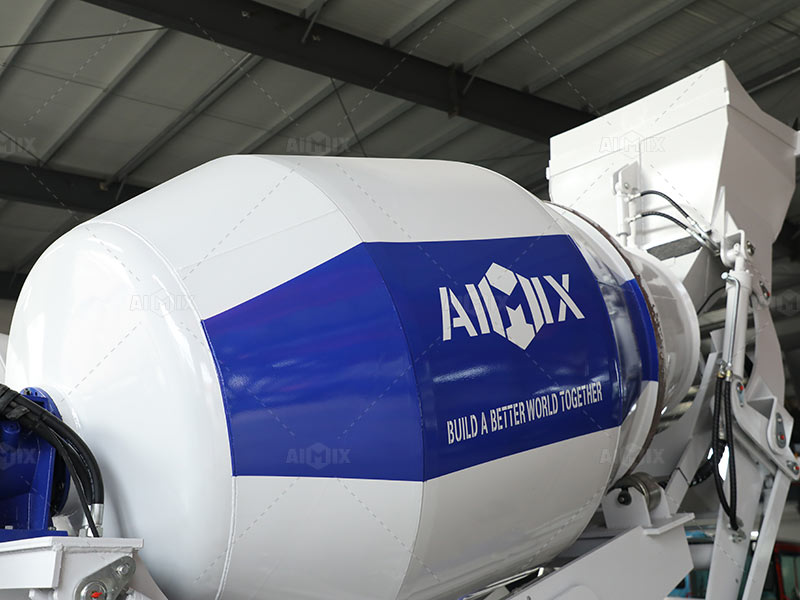
2. Curbing Material Waste and Enhancing Resource Efficiency
Beyond the environmental imperatives, advanced sealing directly impacts the bottom line by minimizing the tangible loss of raw materials. Every gram of cement or aggregate lost to leakage or spillage represents a reduction in profit margins and an increase in procurement costs.
Elimination of “Wash-out” Losses
A significant source of waste on construction sites is the inevitable wash-out of residual concrete that adheres to the drum’s exterior or drips from poorly sealed discharge mechanisms. This material, often contaminated with ground debris, is rendered unsalvageable and must be disposed of as solid waste. Superior drum sealing on mini cement mixer drastically reduces the accumulation of hardened concrete on the drum’s external surface and the rear frame. By maintaining a pristine seal, the system prevents the egress of the “slurry”—the liquid cement paste—that can drip and solidify on the chassis. This obviates the need for constant, aggressive cleaning with high-pressure water, a process that not only consumes immense volumes of water but also generates alkaline runoff that is detrimental to local water tables. The cumulative reduction in material waste over the lifespan of the machine is substantial, translating directly into cost savings.
Precision Batching and Structural Economy
When dust is lost from the system, it is not just a matter of environmental nuisance; it alters the compositional integrity of the concrete. If cementitious materials are lost to the atmosphere, the residual mix in the drum becomes deficient in binder, compromising the designed strength. Advanced sealing ensures that the weight of materials loaded into the batch is retained until the point of delivery. This fidelity to the mix design allows contractors to use exactly the volume of concrete required without resorting to over-ordering to account for waste or material degradation. This precision supports a “lean construction” philosophy, reducing the carbon footprint associated with the overproduction of raw materials and limiting the landfill burden from surplus hardened concrete.
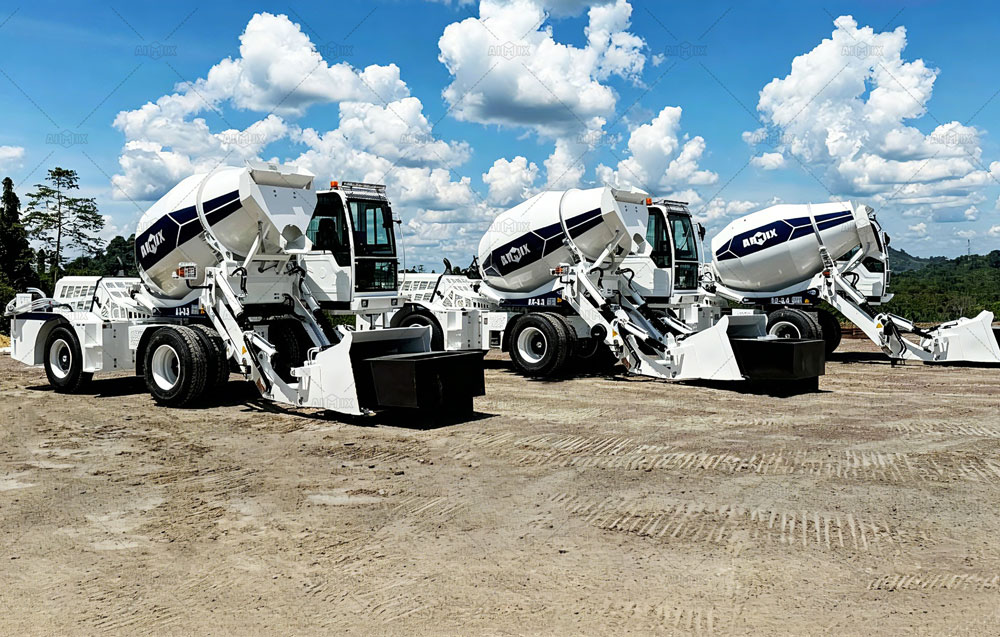
3. Operational Safety and Compliance Advantages
Contemporary construction is governed by an increasingly stringent regulatory framework regarding occupational health and environmental protection. The adoption of robust sealing technology is a proactive measure to ensure compliance and safeguard the workforce.
Protection of Respiratory Health and Visibility
The inhalation of respirable crystalline silica (RCS), a component of concrete dust, is a recognized occupational hazard that can lead to debilitating conditions such as silicosis. By containing dust at the source, drum sealing technology acts as a primary engineering control, drastically reducing the concentration of RCS in the breathing zone of operators and ground crew. Furthermore, the reduction of dust plumes enhances on-site visibility, a critical factor for the safe maneuvering of large vehicles in congested areas. Cleaner air translates to a more comfortable and productive work environment, demonstrating a tangible commitment to corporate social responsibility and the well-being of the workforce.
Streamlining Regulatory Adherence
Regulatory bodies, such as the Environmental Protection Agency (EPA) in the US or similar national environmental agencies, are imposing stringent limitations on fugitive particulate emissions. Non-compliance can result in hefty fines and project shutdowns. The implementation of advanced sealing systems on big concrete mixer provides verifiable evidence of proactive environmental stewardship. By ensuring that dust generation is minimized, contractors can navigate the permitting process with greater ease and avoid the reputational damage associated with environmental infractions. This technological investment is, therefore, a strategic hedge against the financial and legal liabilities posed by modern environmental regulations, reinforcing the company’s image as a responsible and forward-thinking industry leader.