
A 30 ton overhead crane is widely used in heavy manufacturing, steel processing, power generation, precast concrete production, machinery assembly, and other industrial applications where large and valuable loads must be handled safely and efficiently. While these cranes significantly improve productivity, they also introduce potential risks due to the weight of the loads being lifted and the complexity of modern material handling operations.
To ensure safe and reliable operation, modern 30 ton overhead cranes are equipped with multiple layers of safety systems designed to protect personnel, equipment, facilities, and lifted materials. These safety systems help prevent accidents caused by overload, collisions, mechanical failures, operator errors, and environmental factors.
This article explores the essential safety systems found on modern 30 ton overhead cranes and explains how they contribute to safer lifting operations.
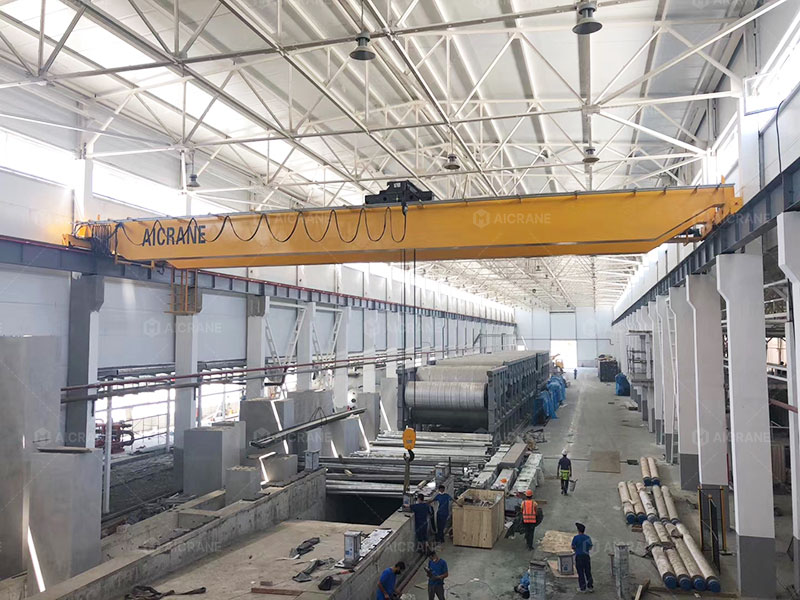
Why Safety Systems Are Critical for 30 Ton Overhead Cranes
A fully loaded 30 ton overhead crane can lift materials weighing 30,000 kilograms or more. Any uncontrolled movement, equipment failure, or operational mistake can result in:
- Serious worker injuries
- Damage to expensive equipment
- Production downtime
- Structural damage to buildings
- Product losses
- Regulatory violations
Modern crane safety systems are designed to minimize these risks by continuously monitoring operating conditions and automatically responding when abnormal situations occur.
Overload Protection System
Preventing Dangerous Overloading
One of the most important safety systems on a 30 ton overhead crane is the overload protection system.
The crane structure, hoist mechanism, wire ropes, hook assembly, and runway system are all designed to handle specific load limits. Exceeding these limits can cause structural damage, excessive wear, or catastrophic failure.
The overload protection system continuously measures the load being lifted through load cells, strain sensors, or electronic weighing devices.
When the lifted load exceeds the preset safe limit, the system can:
- Trigger visual alarms
- Activate audible warnings
- Stop further lifting movement
- Record overload events for maintenance review
This feature significantly reduces the risk of accidents caused by improper loading.
Upper and Lower Limit Switches
Protecting the Hoisting Mechanism
Limit switches prevent the hook block from traveling beyond safe operating positions.
Upper Limit Switch
The upper limit switch stops the hoist before the hook block contacts the drum or crane structure.
Without this protection, operators may accidentally over-hoist the load, causing:
- Wire rope damage
- Drum damage
- Hook block impact
- Structural stress
Lower Limit Switch
The lower limit switch prevents excessive unwinding of the wire rope from the drum.
This helps maintain proper rope tension and prevents rope disengagement.
Modern cranes often incorporate dual-stage limit switches for additional safety redundancy.
Emergency Stop System
Immediate Shutdown During Emergencies
Emergency stop buttons are installed at multiple locations throughout the overhead crane system, including:
- Operator cabin
- Pendant control stations
- Remote control units
- Ground-level control panels
When activated, the emergency stop system immediately cuts power to motion controls and stops crane movements.
This allows operators or nearby personnel to quickly respond to unexpected situations such as:
- Load instability
- Personnel entering hazardous zones
- Mechanical malfunctions
- Obstacle interference
Emergency stop systems serve as a critical last line of defense during emergency situations.
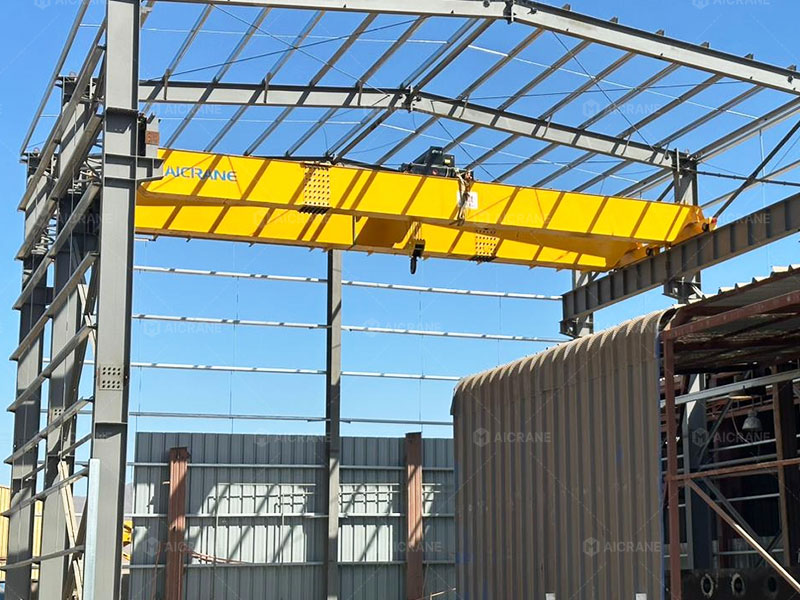
Anti-Collision System
Preventing Crane-to-Crane and Crane-to-Obstacle Impacts
Many industrial facilities operate multiple overhead cranes on the same runway system.
Without proper safeguards, collisions can occur between:
- Two bridge cranes
- Crane and building columns
- Crane and maintenance platforms
- Crane and production equipment
Modern anti-collision systems use:
- Laser sensors
- Ultrasonic sensors
- Radar technology
- Position monitoring devices
The system continuously calculates safe distances and automatically slows or stops crane travel when collision risks are detected.
Anti-collision systems are especially valuable in large steel mills, warehouses, and manufacturing workshops where multiple cranes operate simultaneously.
Travel Limit Switches
Protecting End-of-Runway Areas
Bridge and trolley travel limit switches prevent crane components from exceeding designated travel zones.
These devices stop movement before:
- End truck impacts
- Runway damage
- Structural collisions
Travel limit switches help protect both crane equipment and supporting building structures from accidental impacts.
Anti-Sway Control System
Improving Load Stability
Load swing is one of the most common challenges during crane operation.
When lifting heavy loads, sudden acceleration or deceleration can cause the suspended load to sway.
Excessive load swing may lead to:
- Reduced positioning accuracy
- Product damage
- Operator difficulty
- Increased collision risk
Modern anti-sway systems use:
- PLC-based algorithms
- Variable frequency drives (VFDs)
- Hoisting encoder feedback
- Motion control software
The system automatically adjusts trolley and bridge travel speeds to minimize load oscillation.
This improves both safety and operational efficiency.
Variable Frequency Drive (VFD) Safety Control
Smooth and Controlled Motion
Modern 30 ton double girder overhead cranes frequently utilize variable frequency drives for all major motions, including:
- Hoisting
- Trolley travel
- Bridge travel
VFD technology allows:
- Smooth acceleration
- Controlled deceleration
- Reduced mechanical shock
- Precise positioning
Abrupt starts and stops create stress on crane structures and increase load swing.
By controlling motor speed gradually, VFD systems reduce these risks and contribute to safer crane operation.
Brake Monitoring System
Ensuring Reliable Load Holding
The braking system is essential for maintaining load control during lifting and positioning.
Modern cranes often include brake monitoring systems that continuously check:
- Brake wear conditions
- Release status
- Brake response performance
- Electrical faults
If abnormalities are detected, operators receive warnings before serious failures occur.
Some advanced cranes also feature redundant braking systems for critical lifting applications.
Wire Rope Safety Monitoring
Detecting Rope Wear Before Failure
Wire ropes experience continuous stress during lifting operations.
Over time, they can develop:
- Broken wires
- Corrosion
- Wear
- Fatigue damage
Modern safety monitoring systems help identify deterioration before failure occurs.
These systems may include:
- Rope inspection sensors
- Tension monitoring devices
- Visual inspection programs
- Maintenance tracking software
Regular rope monitoring significantly improves crane safety and reliability.
Hook Safety Devices
Preventing Accidental Load Release
The crane hook serves as the direct connection between the load and lifting mechanism.
Modern hooks are equipped with safety features such as:
- Hook latches
- Safety catches
- Forged high-strength construction
- Non-destructive testing inspections
Hook latches help prevent lifting slings or rigging equipment from accidentally slipping out during operation.
This simple safety feature plays a major role in preventing dropped loads.
Load Display and Monitoring System
Real-Time Load Visibility
Modern overhead cranes often include digital load displays visible to operators.
The system provides real-time information such as:
- Current load weight
- Load percentage
- Overload warnings
- Operating status
By providing accurate load information, operators can make informed decisions and avoid exceeding safe lifting capacities.
Audible and Visual Warning Systems
Alerting Personnel in the Work Area
Heavy industrial environments are often noisy and crowded.
To improve situational awareness, modern cranes use warning devices such as:
- Flashing lights
- Beacon lights
- Horns
- Travel alarms
- Motion indicators
These systems notify nearby workers whenever the crane is operating or approaching.
Warning devices help reduce the likelihood of personnel entering hazardous lifting zones.
Electrical Protection Systems
Protecting Equipment and Operators
Electrical faults can create significant safety hazards.
Modern cranes incorporate various electrical protection devices, including:
- Circuit breakers
- Overcurrent protection
- Short-circuit protection
- Ground fault protection
- Surge protection systems
- Phase-loss protection
These systems safeguard both overhead travelling crane equipment and personnel from electrical failures.
Remote Monitoring and Smart Diagnostics
Enhancing Preventive Safety Management
Many modern 30 ton overhead cranes are equipped with intelligent monitoring systems that collect operational data.
Parameters commonly monitored include:
- Motor temperatures
- Running hours
- Load cycles
- Brake performance
- Fault history
- Energy consumption
Remote diagnostics allow maintenance teams to identify developing issues before they become safety risks.
This predictive approach improves crane availability while reducing unexpected failures.
Operator Safety Interlocks
Preventing Unsafe Operations
Safety interlocks ensure crane functions operate only under approved conditions.
Examples include:
- Overload lockout
- Door interlocks for operator cabins
- Maintenance mode restrictions
- Travel authorization controls
These features help prevent unsafe actions that could result in accidents.
Conclusion
Modern 30 ton overhead cranes rely on a combination of mechanical, electrical, electronic, and software-based safety systems to ensure safe operation in demanding industrial environments. Essential systems such as overload protection, anti-collision technology, anti-sway control, emergency stops, brake monitoring, wire rope inspection, and intelligent diagnostics work together to minimize operational risks and protect personnel and equipment.
As industrial facilities continue to pursue higher productivity and automation, investing in advanced crane safety technologies becomes increasingly important. A properly designed and maintained safety system not only helps prevent accidents but also improves operational efficiency, equipment reliability, and long-term return on investment for crane owners.