
As the global construction industry evolves, so do the cost structures of key equipment like concrete batching plants. For developers, contractors, and investors, understanding stationary concrete batching plant price trends in 2026 is essential for budgeting, project planning, and procurement decisions. In this analysis, we will explore why pricing is shifting, how it compares with related equipment such as mobile systems, and what buyers should expect in terms of cost, value, and strategic investment. Related terms such as mobile concrete batching plant price, ready mix concrete plant price, and the common question how much does a concrete batch plant cost will be discussed to give readers a comprehensive picture of the market.
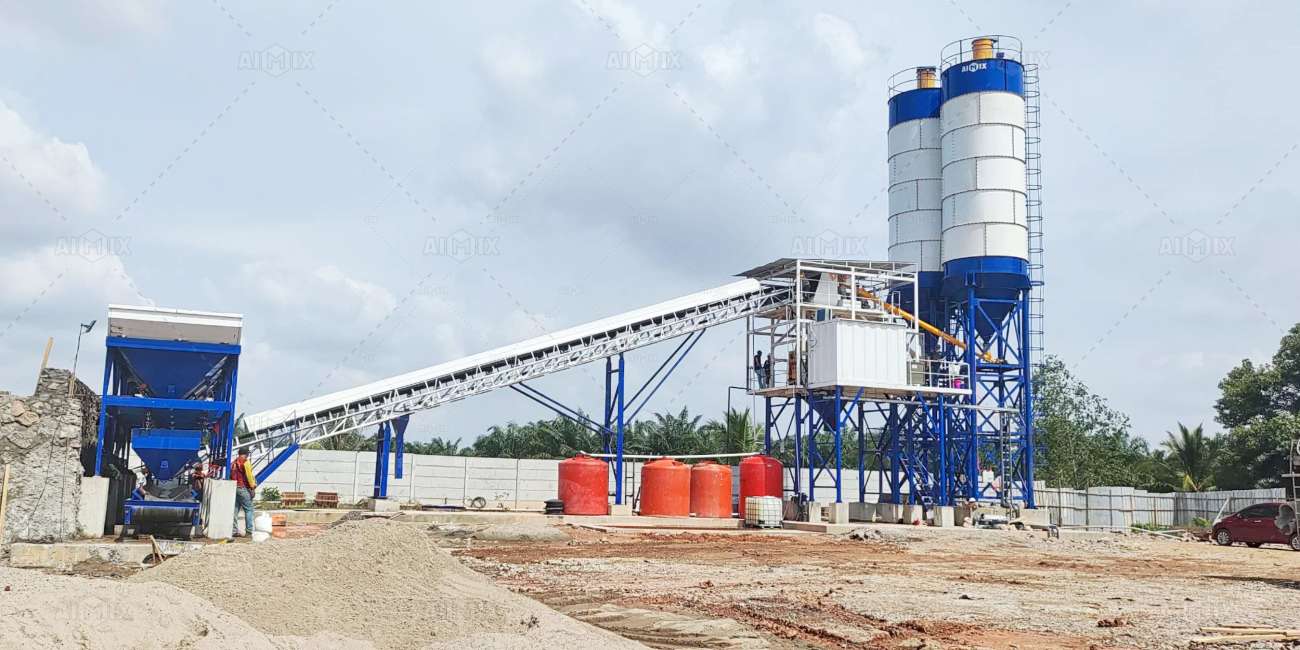
Global Market Dynamics Affecting Batching Plant Prices
The price of stationary concrete batching plants has always reflected the broader economic context. In 2026, several macroeconomic trends are influencing pricing:
Supply Chain Shifts
Ongoing supply chain adjustments—triggered by geopolitical shifts and manufacturing reallocations—continue to impact raw material availability and equipment delivery timelines. Steel, electronics, and hydraulic components are core to batching plants, and fluctuations in these inputs filter directly into final equipment costs. Buyers should expect some degree of price volatility as manufacturers adjust to material lead times and global logistics challenges.
Demand Fluctuations
Regions investing heavily in infrastructure or affordable housing are increasing demand for concrete production equipment. Asia Pacific, the Middle East, and parts of Africa show robust growth, while North America and Europe see moderate expansion linked to renovation and specialized concrete applications. This demand trend affects pricing across all models—stationary, mobile, and ready mix plants alike.
Technology and Automation
The integration of automation, smart controls, and digital monitoring systems is a major factor pushing prices upward. Modern batching plants now include features like PLC controls, remote monitoring, and energy‑optimized mixers. While these enhancements raise initial costs, they improve efficiency, reduce waste, and deliver long‑term savings—making them attractive to forward‑thinking buyers.
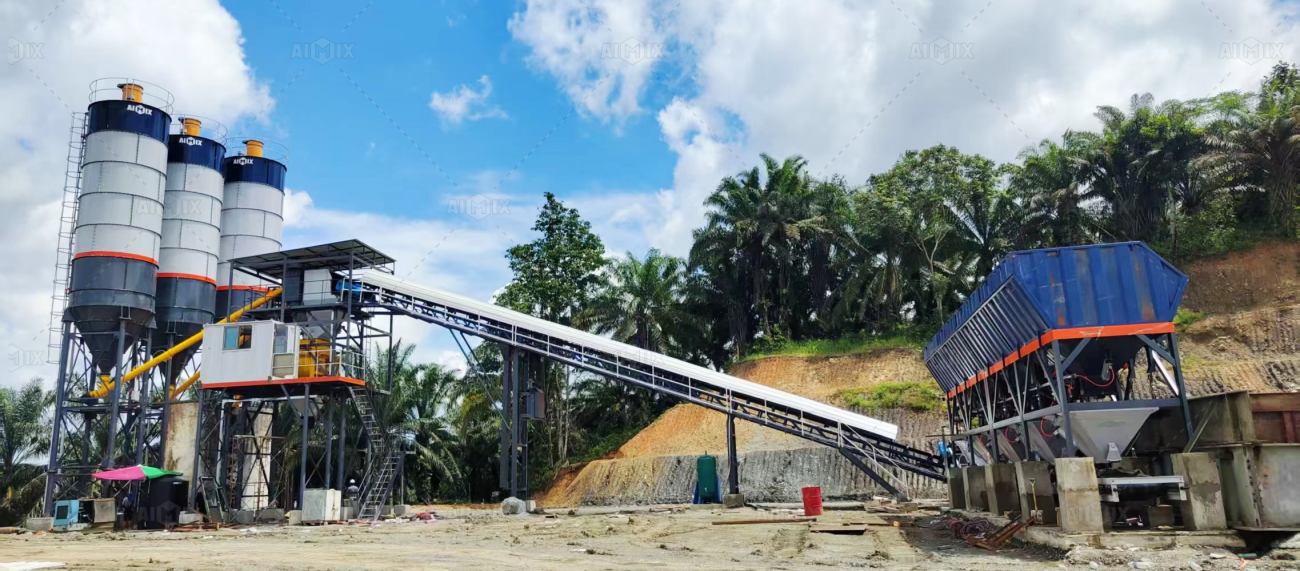
Stationary vs Mobile: Price Comparisons in 2026
One common consideration when planning concrete equipment investment is whether to choose a stationary or mobile plant. Pricing differences between these types are significant and reflect operational use cases.
Stationary Concrete Batching Plant Price
Stationary units, designed for long‑term installation at a fixed site, generally cost more upfront than lightweight, transport‑ready models. In 2026, buyers should expect stationary concrete batching plant prices to continue reflecting:
-
Larger structural and foundation requirements
-
Higher‑capacity mixers and larger storage bins
-
More advanced automation systems tailored for continuous high‑volume production
For larger commercial projects or dedicated production bases supplying concrete over extended periods, the higher price is offset by greater throughput and economies of scale.
Mobile Concrete Batching Plant Price
By comparison, the mobile concrete batching plant price tends to be lower because these systems are designed for ease of transport and quick setup. Mobile plants are ideal for short‑term projects or sites where relocation is common. Their lower infrastructure cost and faster deployment time make them cost‑effective for contractors handling diverse or temporary jobs.
However, in 2026, the price gap between mobile and stationary units is narrowing slightly as mobile units incorporate smarter tech and higher‑capacity capabilities.
Ready Mix Concrete and Price Trends
Another related cost factor is the ready mix concrete plant price. Ready mix plants, which often include conveyors, multiple silos, and advanced control systems, have their own pricing considerations:
-
Site customization: Ready mix plants that integrate with local delivery fleets and dispatch systems are priced based on logistics complexity.
-
Mix variability: Multiple mix recipes and additive systems increase price due to added hardware and software requirements.
-
Environmental compliance: Dust control, noise mitigation, and wastewater recycling systems typically add to capital costs.
In 2026, the ready mix segment continues to grow as urban expansion and regulatory standards push contractors toward higher quality, consistent concrete supply rather than on‑site mixing methods.
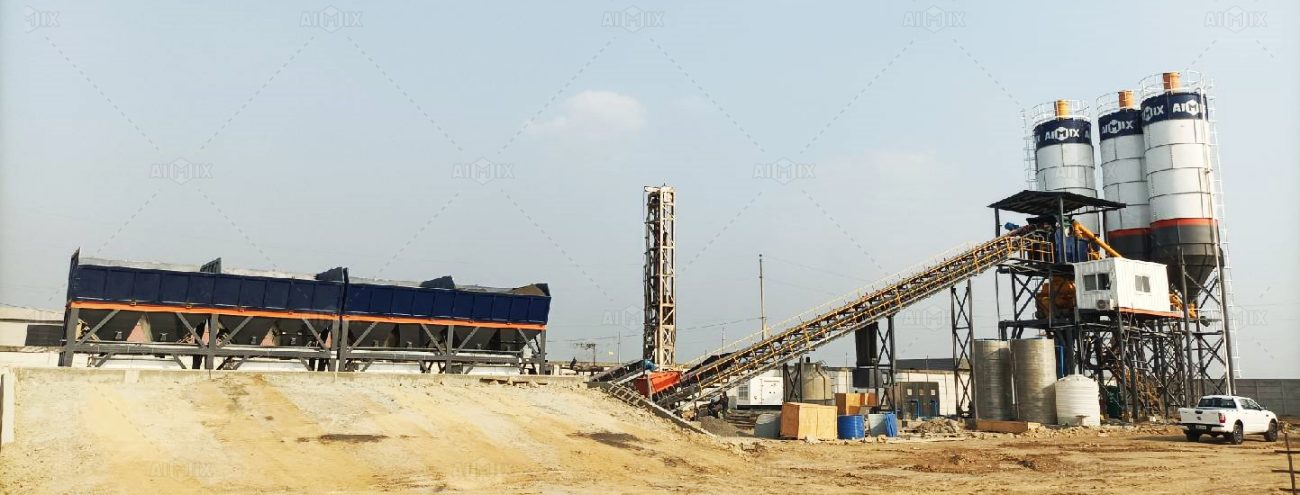
How Much Does a Concrete Batch Plant Cost?
A fundamental question for many buyers remains: how much does a concrete batch plant cost? The honest answer is: it varies widely based on capacity, configuration, technology features, and supplier. Typical price factors include:
-
Capacity: Plants ranging from 25 m³/h to over 240 m³/h have significantly different costs.
-
Automation level: Fully automated control systems raise price but reduce long‑term labor costs.
-
Brand and warranty: Established brands with strong service networks typically command higher prices.
-
Custom options: Extra features like remote monitoring, moisture sensors, or integrated quality testing equipment add to the final purchase cost.
In 2026, buyers should prepare for price ranges that reflect these variables. Entry‑level stationary plants with minimal automation will fall at the lower end, while high‑capacity, high‑tech machines will be at the upper end of the spectrum. Always compare offers carefully and consider total lifecycle costs, not just the upfront price tag.
Strategic Considerations for Buyers
To make insightful purchasing decisions in 2026, consider the following:
-
Total Cost of Ownership (TCO): Include installation, maintenance, energy use, and downtime in your cost projections. Cheaper equipment may cost more over time if efficiency or durability is low.
-
Technology Adoption: Smart features generally yield better performance and reduced operational cost—even if initial prices are higher.
-
Project Scope and Timeline: For fixed, long‑term facilities, a stationary batching plant is usually more economical, while mobile units may be ideal for phased or remote projects.
Final Thoughts
In 2026, stationary concrete batching plant price trends reflect a complex interplay of global supply factors, technological progress, and competitive demand. While prices may rise due to advanced features and supply chain costs, buyers benefit from improved efficiency, reliability, and production capacity. Whether considering mobile concrete batching plant price, ready mix concrete plant price, or asking how much does a concrete batch plant cost, informed planning and thorough budgeting will ensure that your investment delivers maximum value and durability.