
A reliable stone crusher supplier should do more than provide equipment with a high rated capacity. Producing high-quality aggregates requires a crushing configuration that balances particle shape, fines content, product size distribution, and operating efficiency. These factors depend on the properties of the feed material, crusher type, operating settings, and screening arrangement. When selecting a supplier, quarry operators should look for practical engineering expertise that connects rock characteristics and customer specifications with an appropriate crushing process, helping control operating costs while maintaining consistent aggregate quality.
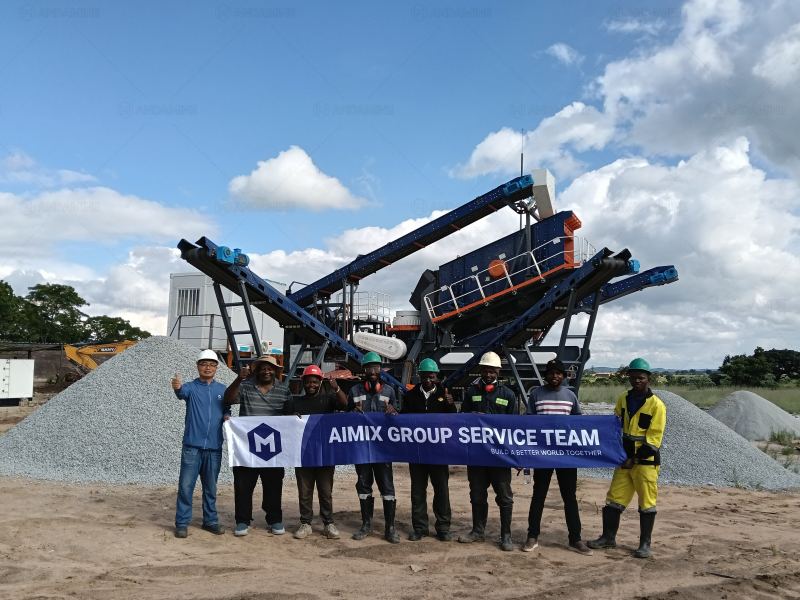
Match Crusher Selection to Rock Characteristics
Rock properties determine how material responds to crushing and how quickly equipment components wear. Hard, abrasive rocks such as granite and basalt place greater demands on crushing surfaces than many softer sedimentary rocks. Limestone may be easier to reduce in some applications, but its hardness and abrasiveness still vary with mineral composition and geological structure.
For primary crushing, a jaw crusher is commonly used to reduce large rocks into manageable sizes. Secondary equipment then reduces the material further and helps achieve the required aggregate gradation. A cone crusher is often suitable for hard, abrasive rock, while an impact crusher can be advantageous when particle shape is a major concern and the feed material is appropriate for impact crushing.
A supplier should evaluate maximum feed size, compressive strength, abrasiveness, moisture content, and required output sizes before recommending a configuration. This is the practical basis of crushing equipment designing for different rocks. Selecting equipment according to actual material conditions helps prevent excessive wear, unstable throughput, and poor product quality.
Control Particle Shape for Commercial Aggregate Quality
Particle shape affects how aggregates perform in concrete, asphalt, and road construction. Cubical particles generally pack and interlock more predictably than elongated or flaky particles, although the required shape depends on the application and applicable specifications. Excessively elongated particles can affect workability and compaction, making shape control an important part of aggregate production.
Crusher type and operating conditions both influence the final shape. Compression crushing in jaw and cone crushers is effective for size reduction, but the resulting shape distribution depends on rock properties, feed grading, chamber design, and operating conditions. Impact crushing can improve particle shape in suitable applications because repeated impacts help break irregular pieces along natural weaknesses.
However, using an impact crusher does not automatically guarantee superior aggregates. Excessive reduction or unsuitable settings may generate too many fines, increase wear, and raise operating costs. A stone crusher supplier should therefore recommend the crushing stage and operating range according to the required particle shape, rather than promoting one crusher type for every material.
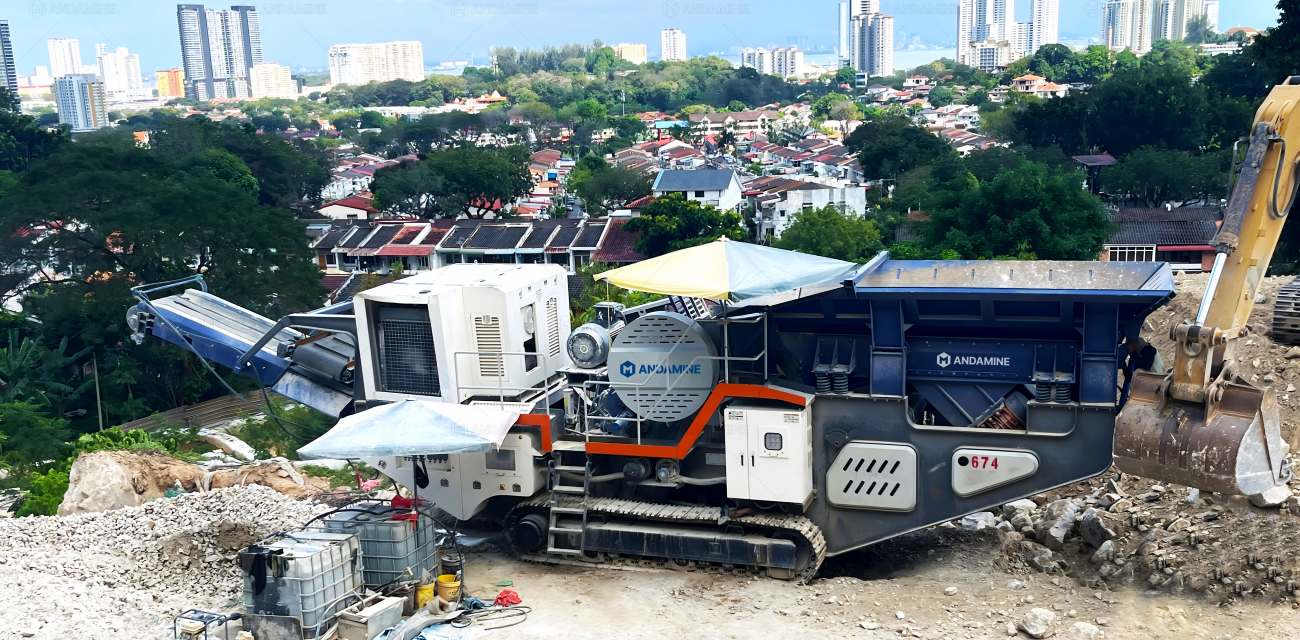
Manage Fines Content Without Sacrificing Output
Fine particles are a normal result of crushing, but excessive fines can reduce the quantity of saleable coarse aggregate and create additional processing requirements. Their effect depends on the end use: manufactured sand production may require controlled fine material, while coarse aggregate applications may impose stricter limits on the proportion of particles passing a specified sieve.
Several operating conditions influence fines generation. Excessive reduction in a single crushing stage, unsuitable feed distribution, worn crushing components, and repeated recirculation can change the product gradation. The correct response is not always to reduce crusher speed or open the discharge setting, because these adjustments may also increase oversize material or lower overall production.
Screening provides a separate control point. Properly selected screen openings and sufficient screening capacity help divide material into marketable sizes and return oversize particles for further crushing when necessary. The recirculating load should be monitored because an overloaded circuit can reduce effective capacity and increase unnecessary material handling.
A competent supplier should consider the entire production circuit when addressing fines. Optimizing only the main crusher may simply transfer the bottleneck to screening or conveying equipment.
Configure Equipment for Limestone and Cobblestone
Different raw materials require different combinations of crushing equipment. For limestone, limestone crushing equipment may include a jaw crusher for primary reduction and an impact or cone crusher for secondary processing, depending on the rock’s properties and the required product specifications. Impact crushing is often considered for relatively friable limestone when particle shape and a high reduction ratio are important. More abrasive limestone may justify a different configuration to control wear costs.
A cobblestone crusher system typically faces different challenges. River cobbles are often rounded, dense, and resistant to breakage, and they may contain hard minerals that accelerate wear. A jaw crusher can handle primary reduction, while a cone crusher is frequently used for secondary or tertiary crushing. Where cubical aggregate is required, the final crushing stage and screening circuit must be selected to achieve the target gradation without excessive fines.
These examples demonstrate why equipment selection should start with representative material testing and product requirements. Two projects with the same nominal capacity may need different crusher combinations because their feed characteristics and commercial specifications differ.
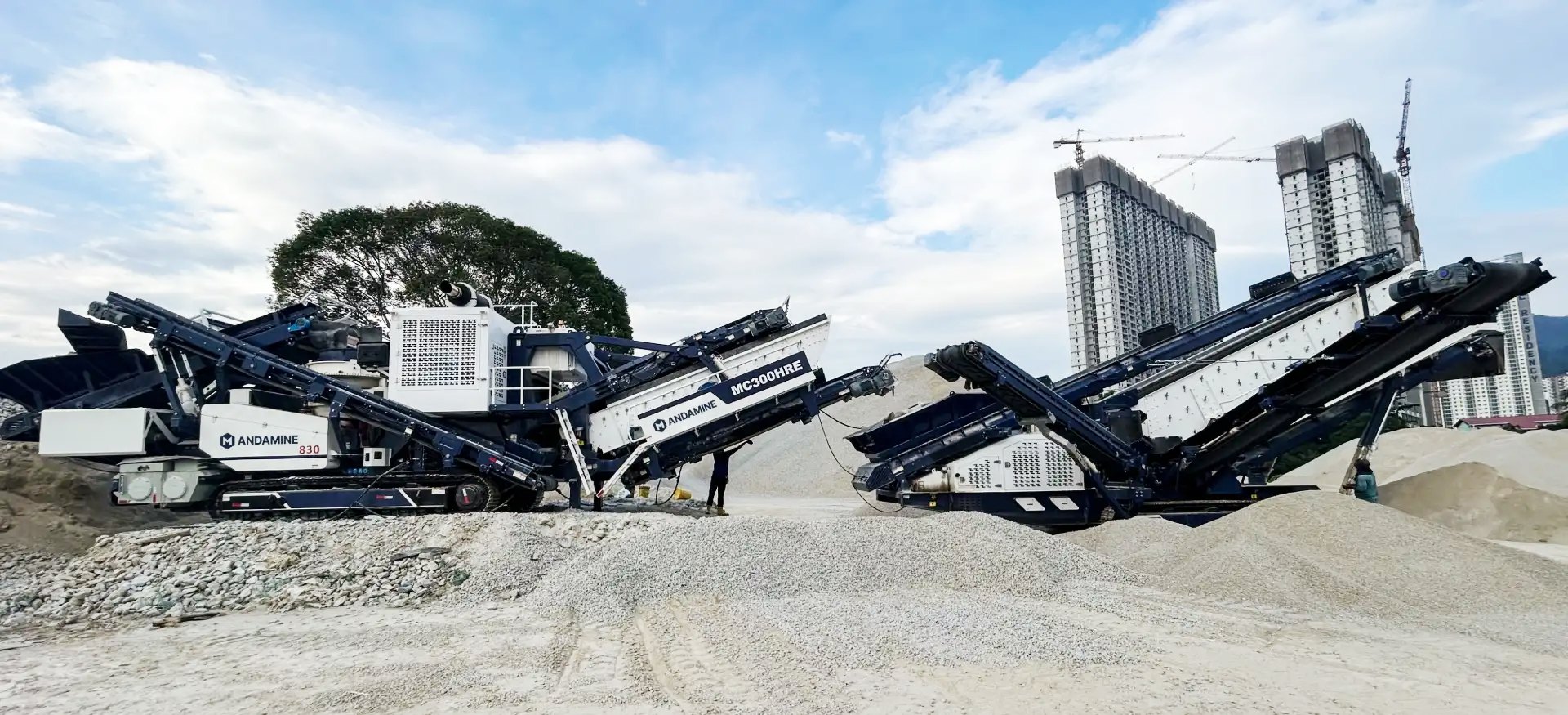
Balance Production Efficiency With Aggregate Specifications
High production volume has limited commercial value if a large proportion of the output fails to meet customer specifications. A more useful performance measure is saleable aggregate production per operating hour, considered alongside energy consumption, wear-part costs, and maintenance requirements.
For example, increasing crusher throughput may overload the screening stage, allowing unwanted particle sizes to enter finished products or forcing more material through the circuit. Conversely, overly conservative settings may improve some quality indicators but reduce output and increase the cost per ton. The objective is to find a stable operating range that meets product requirements at an acceptable production cost.
Operators should track throughput, screen efficiency, product gradation, fines content, power consumption, and wear-part life. Regular sampling of finished aggregates helps identify changes caused by inconsistent feed material or component wear. These records also give the supplier useful information for troubleshooting and process adjustments.
Evaluate a Supplier’s Engineering and Support Capabilities
When comparing suppliers, examine how they develop their technical recommendations. A useful proposal should identify the expected feed conditions, target product sizes, required capacity, proposed crushing stages, and major assumptions behind the production estimate. It should also explain how the feeder, crushers, screens, and conveyors will work together.
Ask whether the supplier can provide process-flow diagrams, equipment specifications, wear-part recommendations, and guidance on maintenance and commissioning. For demanding rock conditions, discuss the expected wear patterns and availability of replacement components. If aggregate specifications are strict, clarify how product gradation and particle shape will be verified during trial operation.
The best stone crusher supplier is not necessarily the one offering the lowest equipment price or the highest nominal throughput. It is the supplier that can match equipment to the material, design a balanced production circuit, and support consistent operation over the plant’s working life.
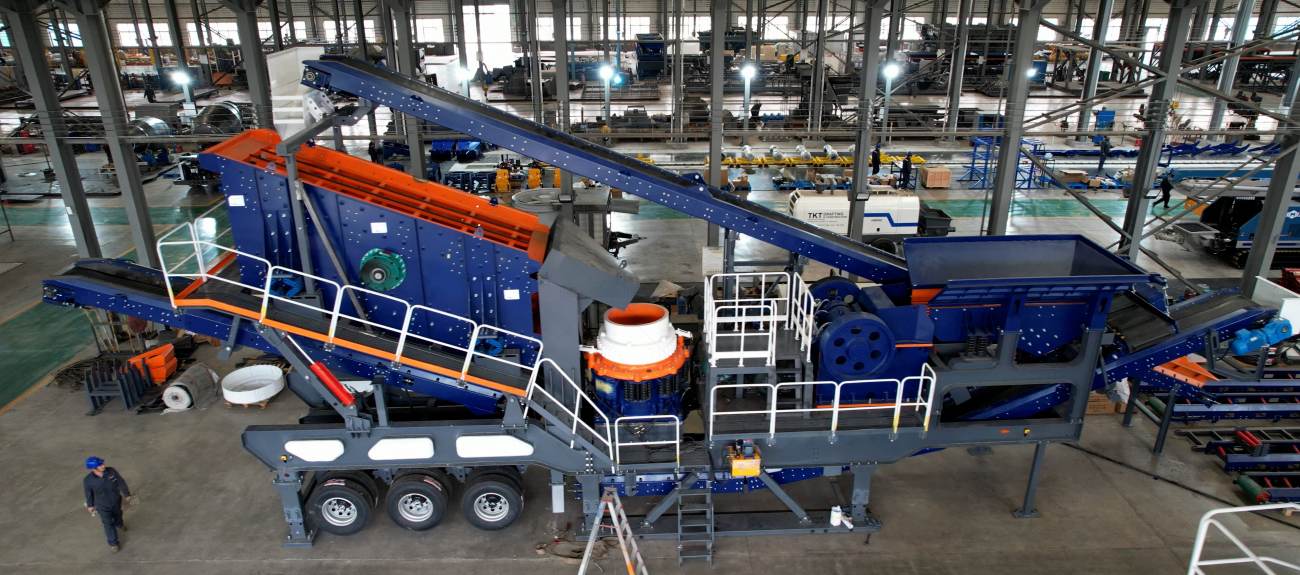
Conclusion
Producing high-quality aggregates requires coordinated control of particle shape, fines content, and production efficiency. Rock characteristics determine the suitable crusher types, while operating settings, screening capacity, and material flow determine how effectively the plant meets product specifications. By choosing a supplier with proven technical expertise in equipment selection and process design, quarry operators can improve saleable output, manage wear costs, and maintain reliable aggregate quality across changing production conditions.