
Road construction rarely stays in one place for long. A contractor may start with a highway section, move to a rural road, and then take on another paving project dozens or even hundreds of kilometers away. When project locations change, the asphalt production strategy also matters. A stationary asphalt mixing plant can offer high and stable production, but moving it may require significant dismantling, transport, foundation work, and reinstallation. A mobile asphalt plant takes a different approach.
So, is buying a mobile asphalt plant actually safer when project locations may change? In many cases, it can reduce project risk because the plant can move with the contractor. However, mobility alone does not make an investment safe. The better decision depends on project distance, expected production, relocation frequency, site conditions, transport regulations, fuel costs, and how much asphalt the contractor needs to produce at each location.
This article looks at the decision from a contractor’s perspective. Instead of treating a mobile asphalt plant as simply a smaller version of a stationary aspphalt plant, we will examine how mobility affects project continuity, investment risk, logistics, production, relocation, and long-term equipment utilization.
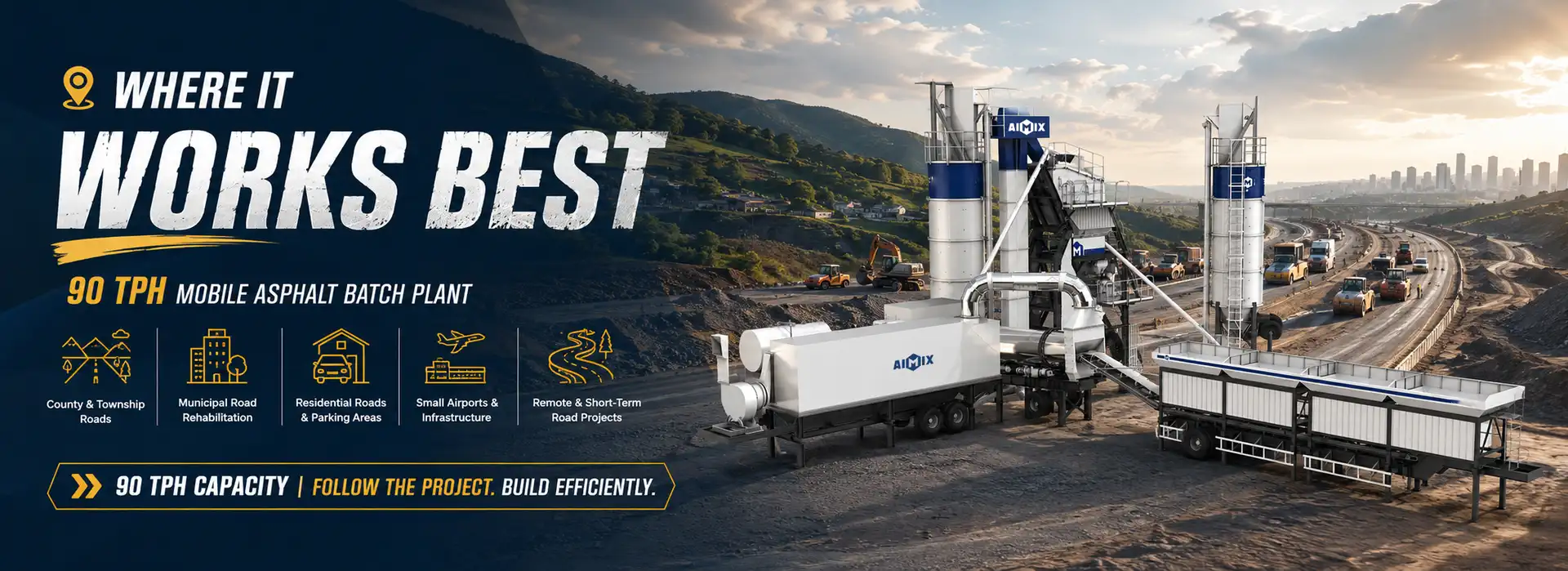
Why Changing Project Locations Creates A Real Asphalt Production Risk
The first issue is not the asphalt plant itself. It is the uncertainty around where and how long the plant will operate. Contractors working on road infrastructure often face project schedules that change because of weather, land access, material supply, client requirements, or new tenders.
As a result, a plant that works well at one site may become inconvenient when the next project starts somewhere else. For contractors who regularly bid for different road and infrastructure projects, choosing the right asphalt mix plant supplier also becomes part of managing this risk. Technical support, plant configuration, relocation requirements, and after-sales service can all affect how easily the equipment adapts to future projects.
The Cost Of Being Locked To One Site
A stationary asphalt plant usually requires a prepared installation area. Depending on the plant design and local requirements, the project may also need foundations, aggregate storage areas, utility connections, access roads, drainage, and supporting infrastructure.
That investment makes sense when the plant will serve the same market for years. However, the calculation becomes different when a contractor expects to change locations frequently.
For example, imagine a contractor wins three road projects in different regions. The first project may last eight months. The second may begin before the first ends. The third may then move to another province. A plant designed around one permanent site may not match this operating pattern.
Therefore, the key question becomes simple: Will the plant spend more time producing asphalt or waiting for the next project?
How A Mobile Asphalt Plant Changes The Risk Calculation
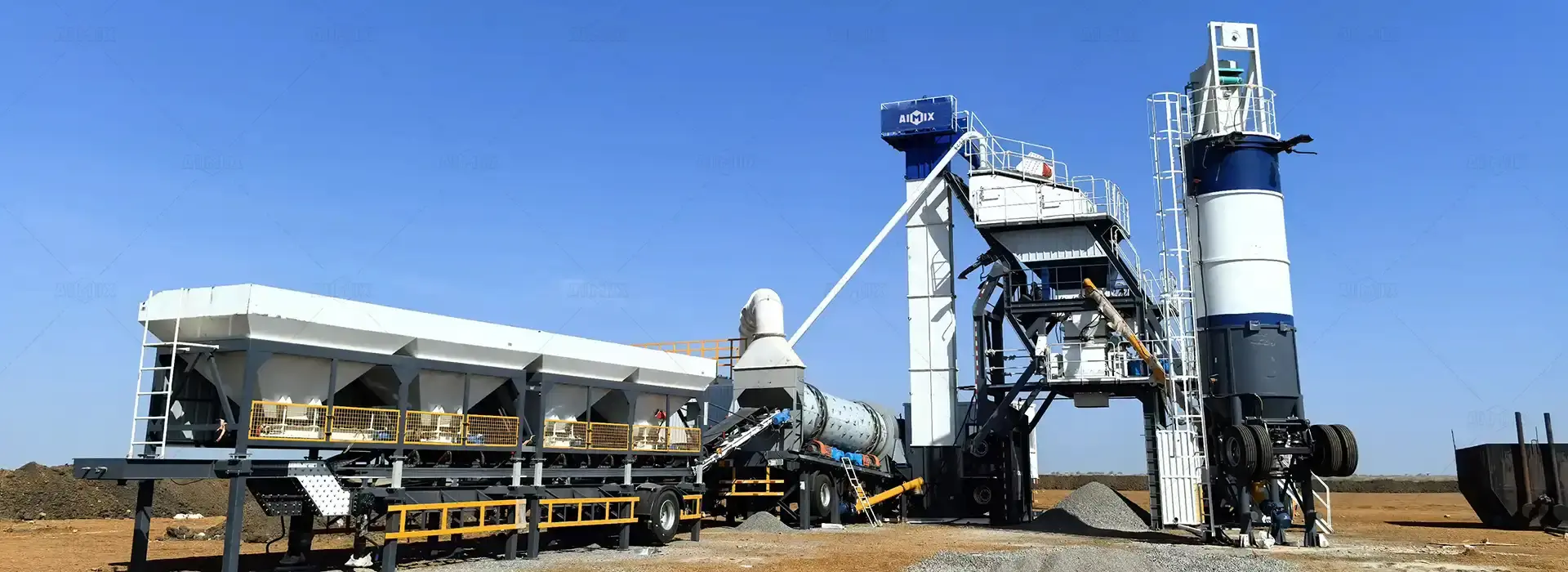
A mobile asphalt plant is designed around a different operating model. Its components use a more transport-oriented configuration, so contractors can relocate the plant when project requirements change.
This does not eliminate transportation or installation work. Instead, it changes the scale and duration of that work. That distinction matters when evaluating the investment.
Mobility Can Reduce Long-Term Location Risk
Suppose a contractor purchases a plant for a road project expected to last one year. Six months later, the next major project appears in another area.
With a suitable mobile asphalt mixing plant, the contractor may have the option to move the production system instead of purchasing or renting another plant. The original investment can therefore support several projects.
In practical terms, mobility can protect the utilization rate of the equipment.
This is one of the strongest reasons to consider a mobile asphalt plant. The value does not come only from moving the machine. It comes from keeping the machine productive when the construction location changes.
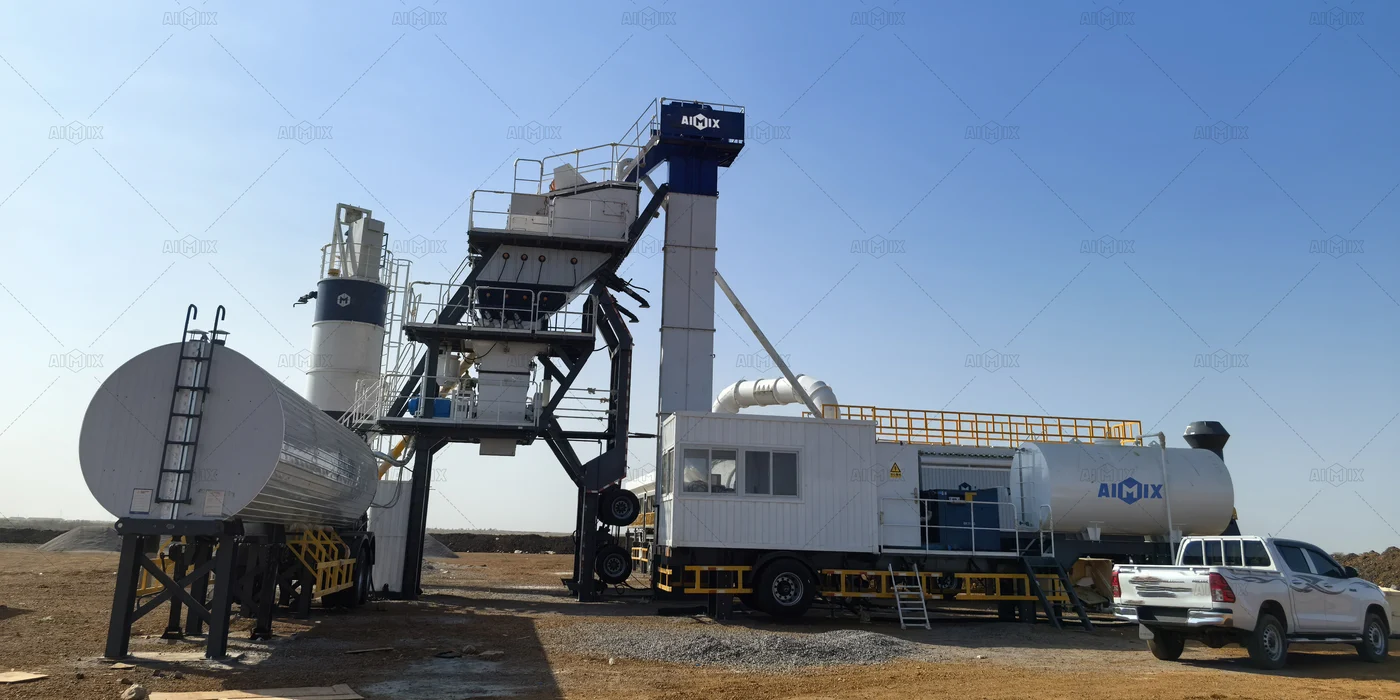
When Does A Mobile Asphalt Plant Make More Sense?
Mobility becomes more valuable when project uncertainty is high. However, not every contractor needs it. The right choice depends on the operating pattern.
| Project Situation | Mobile Plant Advantage | Key Consideration |
|---|---|---|
| Several projects in different regions | Can follow project demand | Check transport requirements |
| Short or medium project duration | Reduces dependence on one permanent site | Compare relocation cost with expected utilization |
| Remote road construction | Can bring asphalt production closer to the work area | Confirm aggregate, fuel, power, and access conditions |
| Frequent contractor project changes | Supports flexible deployment | Relocation planning becomes important |
| Long-term centralized asphalt production | Mobility may provide less additional value | Stationary production may be more suitable |
These examples show why the decision should start with the project portfolio rather than the equipment catalog. A contractor with one stable production market has different needs from a contractor moving between road projects.
Project Duration Should Come Before Plant Price
Many buyers begin with the purchase price. That is understandable, but it can lead to the wrong conclusion.
The more useful question is how long the plant will produce asphalt at each location and how often the contractor expects to relocate it.
Short Projects Change The Economics
Consider a project that needs an asphalt plant for only six months. If the next project starts 300 km away, the contractor needs to consider what happens after the first project finishes.
A stationary asphalt plant may remain at the original site. The contractor then faces several choices. They can transport asphalt from another plant. They can rent another production system. They can build or install another plant. Or they can leave the existing plant underutilized.
A mobile asphalt plant provides another option. The contractor can evaluate whether moving the existing plant is more economical than securing a second production source.
Therefore, mobility creates an option value. It gives the contractor more ways to respond when the project pipeline changes.
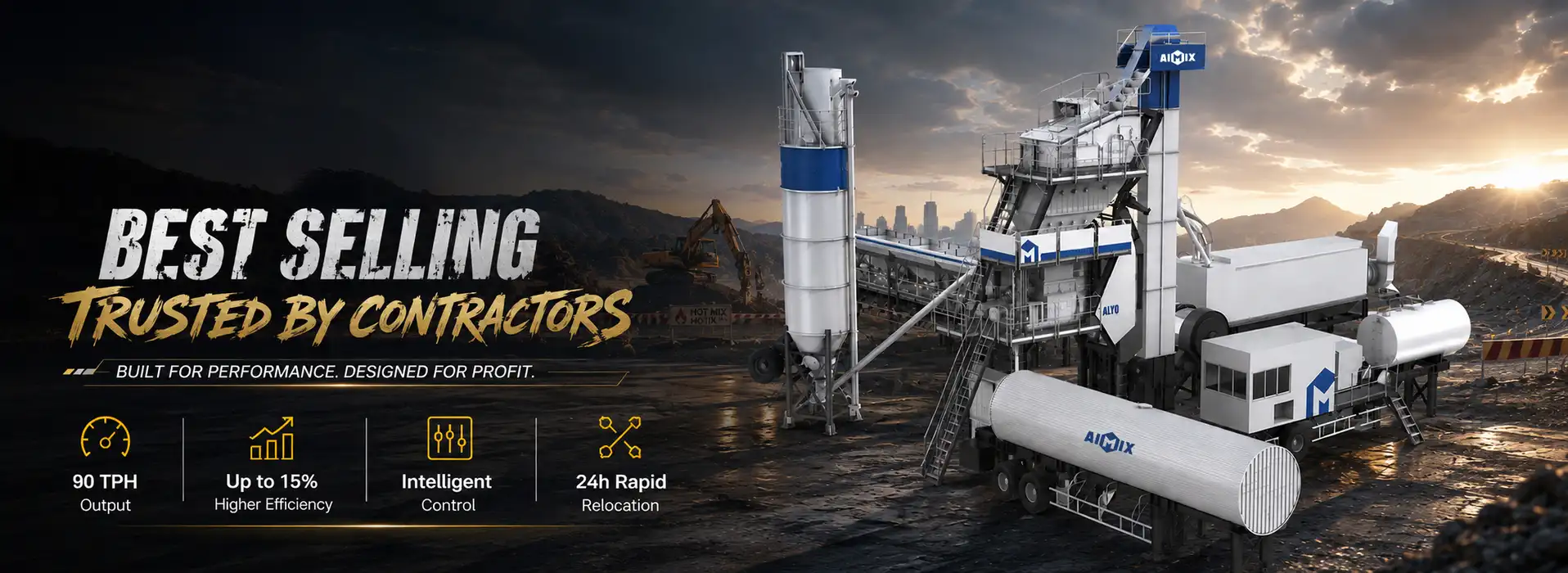
Production Capacity Still Matters
Mobility should never become a reason to ignore production requirements. A mobile asphalt plant must still match the paving schedule.
For example, a contractor may need 80 tonnes of asphalt per hour for a road project. Another project may require 120 tonnes per hour. A third project may have a lower demand but a longer working season.
The correct plant should therefore balance three factors: required hourly output, daily production demand, and expected operating hours.
Calculate Demand From The Paving Schedule
Instead of asking only, “What capacity does this plant have?”, calculate how much mix the project actually consumes.
A simple planning approach is:
Required daily asphalt production = paving area × asphalt thickness × asphalt density
The actual calculation should use the project’s measured quantities and mix specifications. Contractors should also consider production losses, plant availability, truck cycle time, and paving interruptions.
For example, if paving crews need a steady supply throughout the working day, the plant must produce enough mix to avoid starving the paver. At the same time, excessive plant capacity can increase capital and operating costs without improving project performance.
Thus, mobility and capacity should be evaluated together.
Transport Distance Is More Important Than Many Buyers Expect
A mobile asphalt plant may reduce the distance between production and paving. That can affect the entire logistics chain.
Hot mix asphalt needs careful temperature management during transport. Longer truck cycles can also reduce the number of available deliveries during a working shift.
When the asphalt plant moves closer to the construction area, the contractor may reduce the average haul distance. The actual benefit depends on local road conditions, truck capacity, traffic, fuel consumption, and project layout.
Think About The Whole Delivery Cycle
A contractor should not compare plant locations using distance alone.
Consider this sequence:
Aggregate supply → asphalt production → loading → truck travel → site arrival → paving → truck return.
If trucks spend too much time traveling, the paver may wait for material. That can reduce paving continuity and increase equipment idle time.
Therefore, placing production closer to the work area can create value even when the mobile plant itself costs more than a basic stationary alternative.
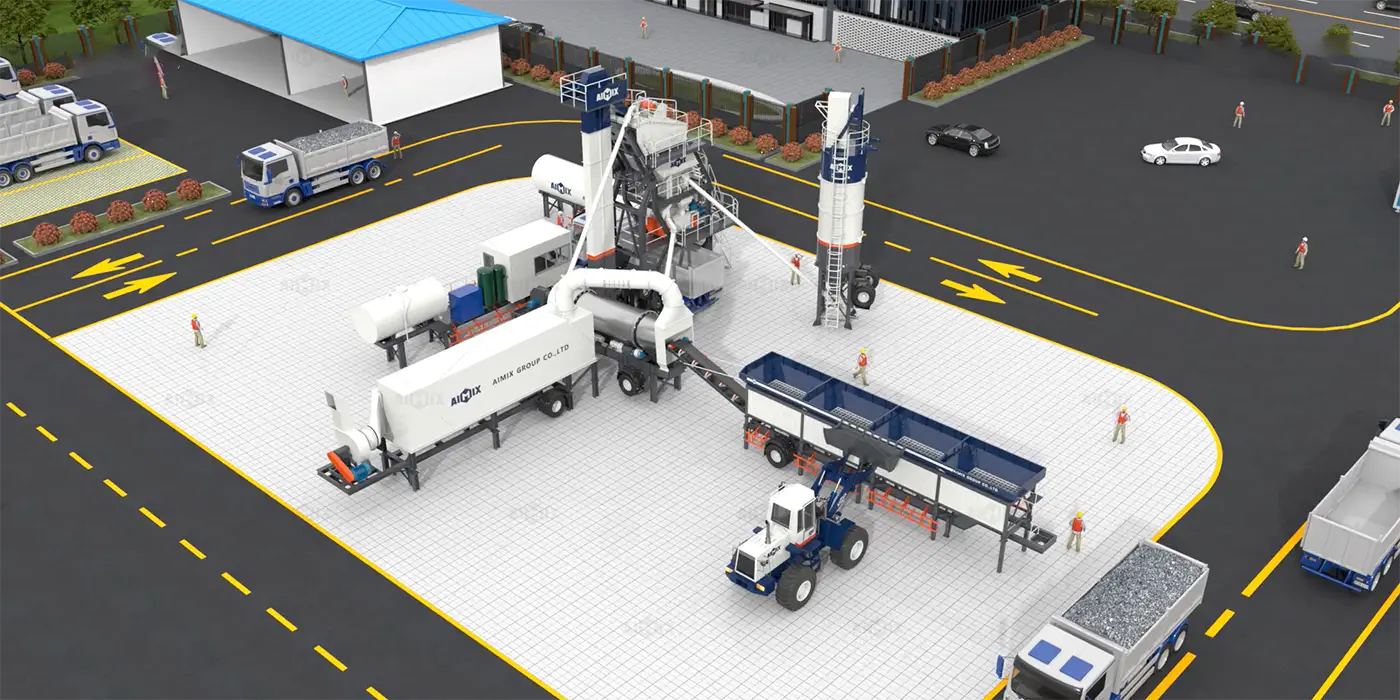
Relocation Is Not Free, So Calculate It Before Buying
This is where a realistic evaluation becomes important. A mobile asphalt plant is not a machine that moves itself from one project to another without planning.
Each relocation can involve transportation, lifting or assembly work, utility reconnection, inspection, calibration, testing, and commissioning. Local road restrictions can also affect transport arrangements.
Therefore, buyers should request a relocation plan before signing a purchase contract.
Ask The Supplier What “Mobile” Actually Means
The word “mobile” can describe different plant configurations. A buyer should understand how the specific plant moves.
Ask the supplier:
- How many transport units are required?
- Which components remain assembled during transport?
- Which components need to be dismantled?
- What lifting equipment does relocation require?
- How much site preparation is necessary?
- How long does typical reinstallation take?
- What electrical and utility connections are required?
- What commissioning checks must be completed before production?
- What transport dimensions and weights apply to each unit?
These questions help separate genuine operational mobility from a marketing label.
Site Conditions Can Determine Whether Mobility Really Helps
A mobile plant is useful only if the new project site can support it.
Road access is one of the first issues. A remote construction area may have narrow roads, weak bridges, steep sections, or seasonal access problems. Heavy transport equipment may face restrictions even when the plant itself is mobile.
The contractor should also check the availability of aggregates, bitumen, fuel, water, electricity, drainage, and truck access.
Consequently, site assessment should happen before equipment selection, not after the plant arrives.
Mobile Does Not Mean Maintenance-Free
Frequent relocation can increase the importance of maintenance and inspection.
Connections, conveyors, burners, electrical systems, sensors, weighing systems, and other components require regular checks. Transport also creates another opportunity for mechanical damage if loading, securing, or unloading is not handled correctly.
For that reason, contractors should evaluate after-sales support as carefully as the plant itself.
Service Support Becomes More Important With Multiple Sites
A contractor operating one fixed plant may have a stable maintenance routine. A contractor moving between regions needs a more flexible service plan.
Before buying, ask about spare parts availability, remote technical support, commissioning assistance, operator training, troubleshooting procedures, and service response arrangements.
These factors do not always appear in the initial equipment price. Nevertheless, they can strongly affect uptime over several projects.
Is A Mobile Asphalt Plant Safer From An Investment Perspective?
The word “safer” needs a clear definition. A mobile plant does not guarantee a higher financial return. However, it can reduce certain risks associated with changing project locations.
Its main advantage is flexibility.
If the contractor wins projects in different areas, the same production system may serve multiple sites. This can reduce the risk of purchasing equipment that becomes difficult to use after one project ends.
However, mobility also adds costs. Transport, relocation, setup, fuel consumption, maintenance, and site preparation still require careful planning.
Therefore, the safest investment is not automatically the most mobile plant. It is the plant that matches the contractor’s actual project cycle.
A Simple Way To Compare Mobile And Stationary Options
Contractors can use a five-part decision framework before purchasing.
1. Map The Next Three Projects
List the expected locations, production requirements, project duration, and approximate distance between sites.
2. Estimate Annual Plant Utilization
Estimate how many months the plant will actually produce asphalt. A highly capable plant with low utilization may create a weaker return than a slightly smaller plant that stays productive across multiple projects.
3. Compare Relocation Costs
Estimate transport, dismantling, assembly, commissioning, and downtime for each move.
4. Calculate Hauling Savings
Compare the asphalt haul distance from a centralized plant with the expected distance from the mobile plant’s new location. Include truck operating costs and delivery-cycle time.
5. Check Future Flexibility
Finally, ask whether the plant can support the contractor’s next five projects, not only the current one.
This last step often changes the purchasing decision. Equipment should support the business pipeline rather than only one tender.
When A Stationary Asphalt Plant May Still Be The Better Choice
Mobile equipment is not automatically superior.
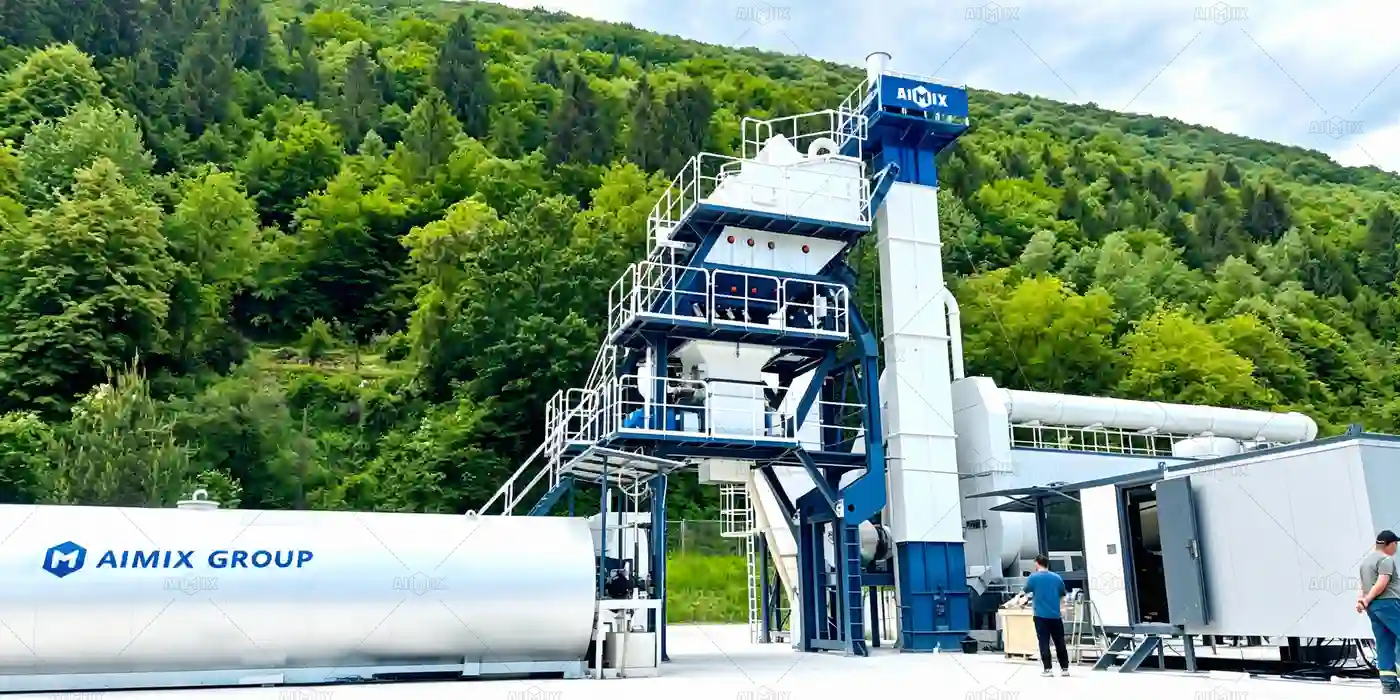
A stationary asphalt plant can make more sense when the contractor operates a long-term asphalt production base. It may also fit a commercial asphalt supplier that serves many nearby paving projects from one central location.
In such cases, the plant can focus on continuous production. The investment in permanent infrastructure may also become easier to justify over a longer operating period. Contractors considering a fixed production base can compare the long-term requirements of a stationary asphalt plant for sale with the relocation flexibility of mobile equipment.
Therefore, the decision should reflect the business model.
| Priority | Potentially Better Fit | Reason |
|---|---|---|
| Frequent project relocation | Mobile asphalt plant | Greater deployment flexibility |
| Long-term centralized production | Stationary asphalt plant | Stable site utilization |
| Remote road projects | Mobile asphalt plant | Potentially shorter material haul distance |
| Multiple nearby customers | Stationary asphalt plant | Efficient centralized supply |
| Uncertain future project locations | Mobile asphalt plant | Lower dependence on one site |
What Should Buyers Check Before Ordering?
Once the project pattern points toward a mobile plant, the next step is supplier evaluation.
Do not compare suppliers only by listed capacity or equipment price. A serious comparison should cover the complete operating cycle.
- Production: Does the output match the paving schedule?
- Mobility: How easily can the plant move between projects?
- Transport: What are the transport dimensions, weights, and requirements?
- Installation: What site preparation and assembly does the plant need?
- Control: Can operators manage weighing, mixing, temperature, and production efficiently?
- Fuel: What burner fuel options suit the project region?
- Maintenance: Which wear parts need regular replacement?
- Support: Can the supplier provide commissioning and technical assistance?
- Future projects: Can the same plant support the contractor’s expected project pipeline?
Most importantly, request technical information that matches the actual project. Generic specifications are less useful than a configuration based on production demand, aggregate conditions, site access, relocation frequency, and local regulations.
The Real Value Of Mobility Is Flexibility
Buying a mobile asphalt plant is not simply about owning equipment that can move. The larger benefit is the ability to adjust production when the construction business changes.
When project locations change frequently, flexibility can protect equipment utilization. It can also help contractors bring asphalt production closer to the paving site, reduce dependence on external asphalt suppliers, and respond to new projects without building a completely new production base.
At the same time, contractors should remain realistic. Relocation has costs. Site access matters. Production capacity matters. Maintenance matters. Local transport regulations matter.
For projects that need relocation but may also require relatively simple site deployment, buyers can also compare a mobile configuration with a portable asphalt plant. The important point is to compare the actual transport, setup, production, and relocation requirements rather than choosing based on terminology alone.
Therefore, the best decision comes from comparing the full project lifecycle rather than comparing the purchase prices of two asphalt plants.
Conclusion: Is Buying A Mobile Asphalt Plant Safer?
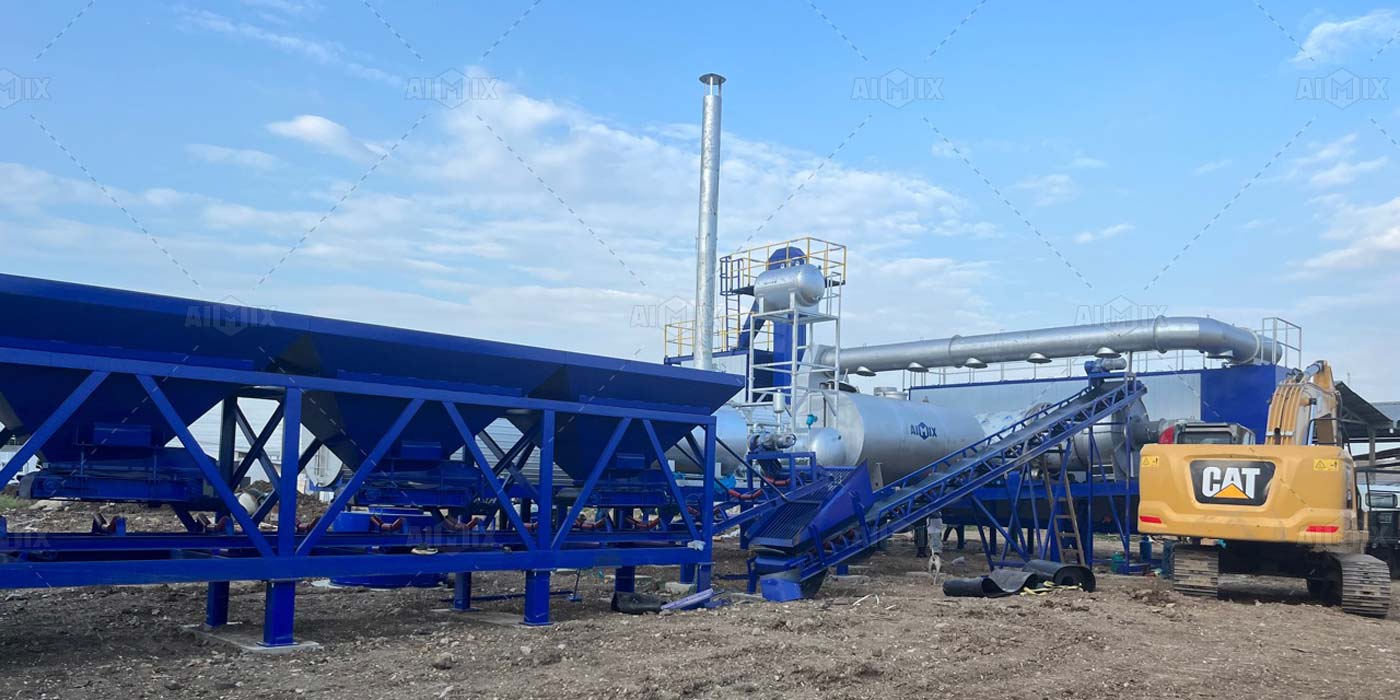
If your project locations may change, a mobile asphalt plant can be a safer investment strategy because it gives you more flexibility after the current project ends. This is especially relevant for road contractors, infrastructure companies, and project-based asphalt producers that regularly move between regions.
However, the decision should never rely on the word “mobile” alone. First, calculate your production demand. Then map your project locations. Next, estimate relocation and hauling costs. Finally, evaluate supplier support and long-term utilization.
If the same plant can serve several upcoming projects, mobility may turn location uncertainty from a major risk into a manageable operating factor.
Planning a road project with changing locations? Share your expected asphalt output, project duration, site locations, relocation distance, and preferred plant type with AIMIX. We can help you compare a mobile configuration with a stationary solution based on your actual construction conditions, so you can make the equipment decision with clearer production and logistics expectations.