
In today’s world, sustainability has become a top priority for industries worldwide, including road construction. As Australia continues to focus on greener practices, reducing the carbon footprint of construction projects is essential. One effective way to achieve this goal is through the use of modern, eco-friendly asphalt plants. A 140 TPH (Tons Per Hour) asphalt plant is particularly well-suited for this purpose, offering efficiency, quality, and environmental benefits. In this article, we explore how a 140 TPH asphalt plant for sale in Australia can help reduce the carbon footprint of road construction projects in Australia.
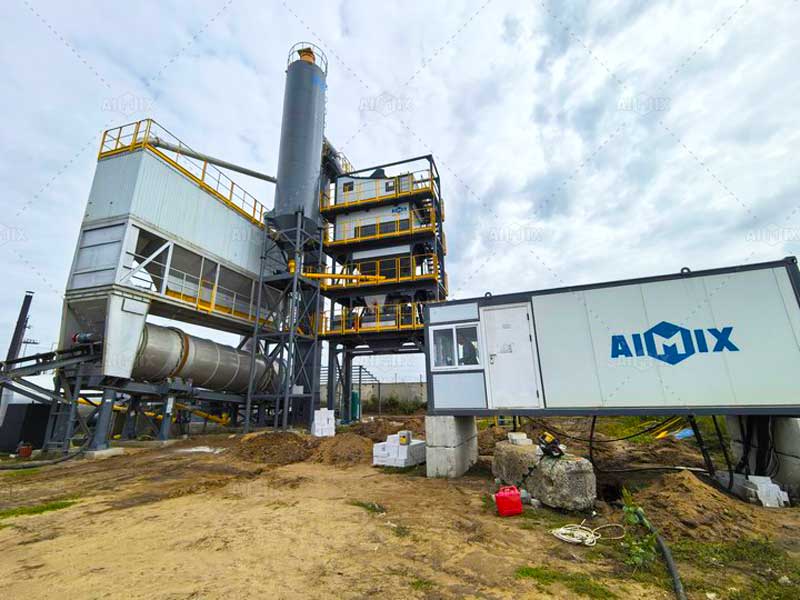
Understanding the Carbon Footprint of Road Construction
Road construction projects can contribute significantly to a region’s overall carbon emissions. From raw material extraction to transportation and mixing, the production of asphalt and other road-building materials generates greenhouse gases (GHGs). Traditional methods of asphalt production, often reliant on fossil fuels and inefficient processes, further exacerbate the environmental impact. Reducing these emissions is critical for Australia, where government policies and environmental standards are pushing industries to minimize their ecological footprint.
As Australia’s construction industry embraces sustainability, finding more eco-friendly alternatives has become a priority. The use of a asphalt plant machine is one such solution, ensuring the production of high-quality asphalt while minimizing the environmental impact.
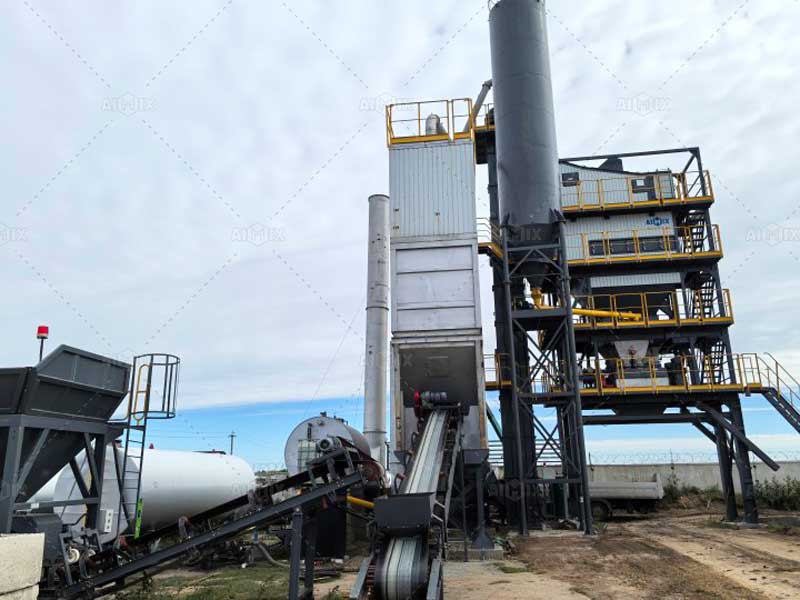
The Benefits of a 140 TPH Asphalt Plant
Efficiency in Production
One of the key benefits of a 140 TPH asphalt plant is its high efficiency. With the ability to produce large volumes of asphalt quickly, it ensures projects stay on schedule without compromising quality. This high throughput means that fewer resources are wasted, reducing overall fuel consumption and lowering carbon emissions.
Lower Fuel Consumption
Modern 140 TPH asphalt plants are designed with energy efficiency in mind. By utilizing advanced burner technology and optimized production processes, these plants consume less fuel during operation. This directly translates to fewer emissions, making it an eco-friendly alternative compared to older, outdated plants that are less fuel-efficient.
Recycling Capabilities
Another way in which a 140 TPH asphalt plant contributes to reducing the carbon footprint is through its ability to recycle materials. Reclaimed Asphalt Pavement (RAP) is a significant component of road construction in Australia. By incorporating RAP into the production process, the plant not only reduces the need for virgin materials but also prevents valuable resources from ending up in landfills. This process helps to cut down on the carbon emissions associated with material extraction, transportation, and disposal. For contractors seeking a hot mix asphalt plant, this feature can be a game changer.
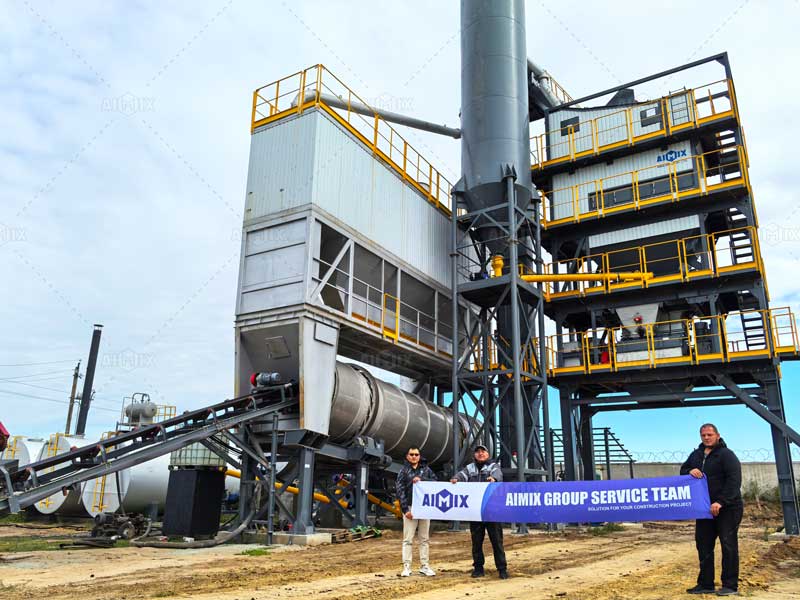
Reduced Emissions with Advanced Filtration Systems
Many modern 140 TPH asphalt plants are equipped with advanced filtration systems that reduce the amount of harmful pollutants released into the atmosphere. These systems trap particulate matter, volatile organic compounds (VOCs), and other emissions, ensuring that the plant operates within stringent environmental regulations. This makes the plant not only more efficient but also much cleaner compared to traditional asphalt production methods.
How a 140 TPH Asphalt Plant Contributes to Sustainable Road Construction
Incorporating sustainable practices in road construction projects is more than just a trend; it’s a necessity for preserving the environment for future generations. With climate change and environmental degradation becoming more pressing issues, adopting green technologies is vital. By using a 140 TPH asphalt plant, contractors and project managers in Australia can make a significant impact on reducing carbon emissions in their projects.
Furthermore, government incentives and regulations are increasingly favoring environmentally responsible construction practices. A 140 TPH asphalt plant aligns well with these regulations, offering a viable solution for contractors looking to comply with both local and national environmental standards. Whether you’re in need of a asphalt batching plant for sale, this plant ensures you’re meeting the highest standards.
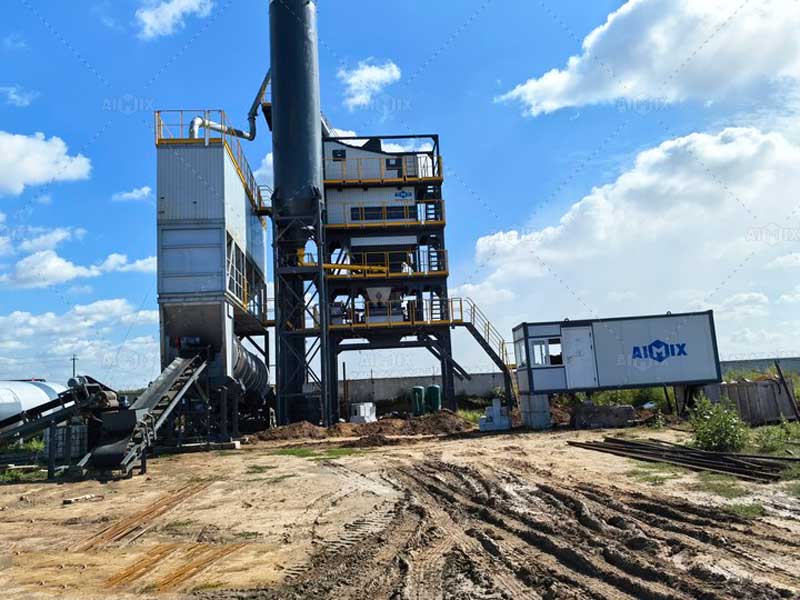
Conclusion: The Path to Greener Road Construction
As the construction industry in Australia shifts towards more sustainable practices, the use of modern asphalt plants plays a critical role. A 140 TPH asphalt plant offers numerous environmental benefits, from fuel efficiency and recycling capabilities to reduced emissions and compliance with government regulations. For contractors and construction companies focused on reducing their carbon footprint, this type of asphalt plant is an investment in both the future of the industry and the planet.
If you’re involved in a road construction project in Australia and want to make a positive environmental impact, consider adopting a 140 TPH asphalt plant. By doing so, you’ll contribute to a greener, more sustainable future while still delivering high-quality infrastructure that meets the needs of your community