
When planning to invest in a rubber tyred gantry (RTG) crane, one of the first and most important steps is requesting an accurate price quote. Whether the RTG crane will be used for container handling, precast concrete production, steel coil transportation, timber handling, or industrial material transfer, the quality of the quotation process directly affects your purchasing efficiency, project timeline, and long-term operating costs.
Many buyers simply ask suppliers, “How much does an RTG crane cost?” However, RTG cranes are highly customized lifting systems. Without clear technical and operational information, suppliers can only provide rough estimates rather than accurate quotations.
This guide explains the complete process of requesting an RTG crane price quote step by step, helping buyers communicate more effectively with crane manufacturers and obtain faster, more precise pricing solutions.
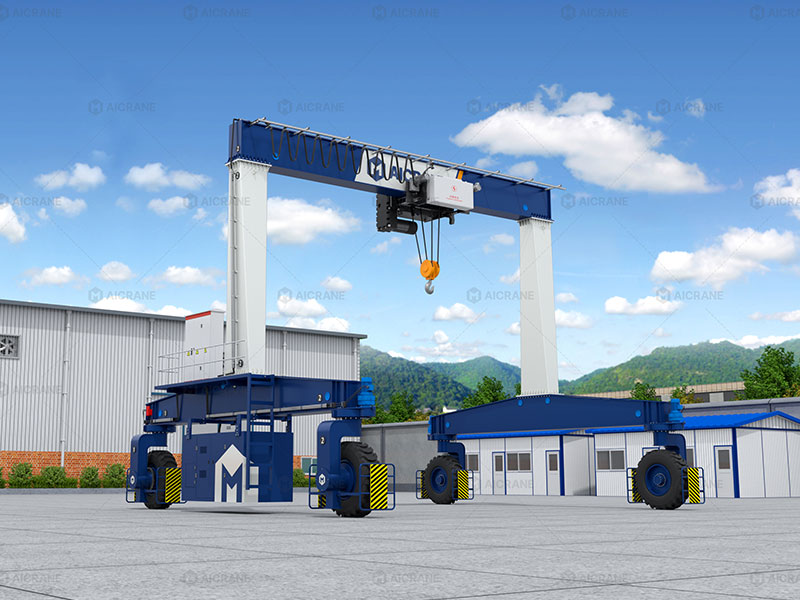
Why RTG Crane Prices Vary Significantly
Before requesting a quote, it is important to understand why RTG crane pricing differs from project to project.
Unlike standardized equipment, RTG cranes are engineered according to:
- Lifting capacity
- Span width
- Lifting height
- Working duty
- Travel distance
- Power system
- Steering mode
- Spreader or lifting attachment type
- Automation requirements
- Environmental conditions
- Safety standards
- Installation location
For example, an RTG gantry crane designed for container terminals differs greatly from one used in a precast concrete yard or steel fabrication plant. Even two cranes with the same lifting capacity may have completely different configurations and prices.
Because of this, suppliers require detailed project information before preparing a reliable quotation.
Step 1: Define Your RTG Crane Application
The first step is identifying exactly how the RTG crane will be used.
Different applications require different structural designs, lifting devices, and control systems.
Common RTG crane applications include:
Container Handling
Used in:
- Ports
- Inland container depots
- Railway terminals
- Logistics yards
Typical lifting tools:
- Container spreaders
- Telescopic spreaders
Precast Concrete Production
Used for:
- Concrete beam handling
- Pipe handling
- Precast panel transportation
Typical lifting tools:
- Beam clamps
- Concrete lifting frames
- Hooks
Steel Industry
Used for:
- Steel coil handling
- Plate transportation
- Pipe movement
Typical lifting tools:
- C-hooks
- Electromagnetic lifters
- Clamps
Industrial Material Handling
Used in:
- Warehouses
- Manufacturing plants
- Heavy equipment assembly areas
Clearly explaining the application helps suppliers recommend suitable RTG crane configurations.
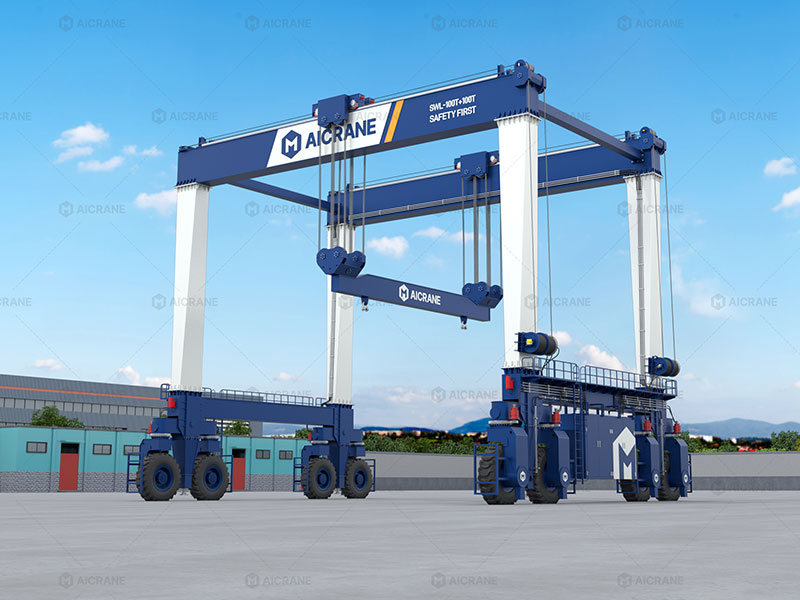
Step 2: Determine the Required Lifting Capacity
The lifting capacity is one of the biggest factors affecting RTG crane price.
You should specify:
- Maximum load weight
- Typical operating load
- Future load expansion requirements
Examples:
- 20 ton RTG crane
- 40 ton RTG crane
- 60 ton RTG crane
- 100 ton RTG crane
If the crane will lift multiple loads simultaneously, mention this clearly.
For example:
- 2 x 20 ton lifting
- 50+50 ton synchronized lifting
- Single point lifting
- Dual hoist operation
Providing accurate load information prevents underdesign or unnecessary overspending.
Step 3: Specify Span and Lifting Height
Two critical technical parameters are:
Span
The span refers to the distance between the crane legs.
It determines:
- Yard coverage
- Lane quantity
- Material stacking width
Lifting Height
The lifting height refers to how high the crane must lift materials.
This affects:
- Structural design
- Hoist selection
- Stability calculations
For example:
- Container stacking heights
- Precast beam storage levels
- Steel coil stacking requirements
Providing accurate dimensions allows manufacturers to design an optimized RTG solution.
Step 4: Describe the Working Environment
The operating environment significantly impacts RTG crane design and price.
Important environmental details include:
Outdoor or Indoor Operation
Outdoor cranes may require:
- Wind resistance systems
- Rain protection
- Corrosion-resistant coatings
Temperature Conditions
Extreme climates may require:
- Special motors
- Heating systems
- Cooling systems
Ground Conditions
Suppliers need to know:
- Concrete yard condition
- Asphalt surface
- Uneven terrain
- Rail-free operation requirements
Power Availability
Specify available power:
- Diesel generator
- Cable reel power
- Battery-powered RTG
- Hybrid system
These details influence both manufacturing and operating costs.
Step 5: Explain Material Handling Workflow
A supplier can prepare a more accurate quotation when they understand how the RTG crane will operate daily.
Helpful workflow details include:
- Average lifting cycles per hour
- Daily operating hours
- Travel distance
- Material flow direction
- Simultaneous lifting requirements
- Required positioning accuracy
For example:
“The rubber tyred straddle carrier crane will transport precast concrete beams from the casting area to the storage yard, operating 10 hours daily with approximately 25 lifting cycles per hour.”
This information helps determine:
- Duty classification
- Motor selection
- Structural fatigue requirements
- Automation recommendations
Step 6: Select the Appropriate RTG Power System
Modern RTG cranes are available with several power options.
Diesel RTG Cranes
Advantages:
- Flexible movement
- No external cable requirements
Best for:
- Remote projects
- Temporary yards
Electric RTG Cranes
Advantages:
- Lower operating costs
- Reduced emissions
Best for:
- Fixed industrial yards
- Ports with stable power supply
Hybrid RTG Cranes
Advantages:
- Energy savings
- Reduced fuel consumption
Best for:
- Environmentally focused operations
Battery-Powered RTG Cranes
Advantages:
- Low emissions
- Quiet operation
Best for:
- Modern smart terminals
- Green manufacturing facilities
Power system selection has a major influence on RTG crane pricing.
Step 7: Clarify Steering and Travel Requirements
RTG cranes may use different steering systems depending on yard layout and mobility needs.
Common steering modes include:
- Straight travel
- 90-degree steering
- Diagonal steering
- Ackermann steering
- Pivot steering
You should also mention:
- Required travel speed
- Turning frequency
- Lane changing requirements
For large industrial yards, flexible steering systems may improve operational efficiency significantly.
Step 8: Specify Automation and Control Requirements
RTG cranes can range from basic manually controlled systems to advanced automated solutions.
Available control options include:
Manual Cabin Control
Traditional operator cabin operation.
Remote Control
Allows operators to control the crane from the ground.
Advantages:
- Improved visibility
- Enhanced safety
Semi-Automatic RTG Systems
Features may include:
- Anti-sway control
- Automatic positioning
- Path correction
Fully Automated RTG Cranes
Common in:
- Smart ports
- Automated container terminals
Features may include:
- GPS positioning
- AI-assisted operations
- Automatic stacking
- Fleet management integration
Automation increases initial investment but can reduce long-term labor costs.
Step 9: Prepare Basic Technical Information for Suppliers
To receive an accurate quote quickly, prepare a simple project information sheet.
Typical information includes:
| Item | Example |
|---|---|
| Application | Container handling |
| Lifting capacity | 40 tons |
| Span | 23 meters |
| Lifting height | 18 meters |
| Power supply | Electric cable reel |
| Working duty | A6 |
| Steering mode | 90-degree steering |
| Operating environment | Outdoor coastal yard |
| Control mode | Cabin + remote control |
| Special requirements | Anti-corrosion painting |
Providing complete information reduces repeated communication and speeds up quotation preparation.
Step 10: Request Layout Drawings and Solution Recommendations
Price should not be the only consideration.
Professional RTG crane suppliers usually provide:
- Layout drawings
- Technical proposals
- Equipment recommendations
- Safety suggestions
- Energy-saving options
These materials help buyers compare suppliers more effectively.
In many cases, experienced gantry crane manufacturers can recommend:
- Better crane configurations
- Lower operating cost solutions
- Safer handling methods
- More efficient yard layouts
Step 11: Compare More Than the Initial Price
The lowest quotation is not always the best investment.
When evaluating RTG crane quotations, compare:
Manufacturing Quality
Check:
- Steel structure standards
- Welding quality
- Component brands
- Safety systems
Energy Consumption
Efficient systems reduce long-term operating costs.
After-Sales Service
Important factors include:
- Installation support
- Online guidance
- Spare parts availability
- Technical training
Delivery Time
Project schedules may require fast manufacturing and shipment.
Customization Capability
A supplier with strong engineering ability can better adapt the crane to your operational requirements.
Step 12: Confirm Installation and Transportation Requirements
Transportation and installation can significantly affect total project cost.
Important details include:
- Installation country
- Site accessibility
- Local labor availability
- Foundation preparation
- On-site commissioning requirements
Some suppliers offer:
- Online installation guidance
- On-site engineer support
- Full installation services
Clarifying these details early prevents unexpected expenses later.
Common Mistakes When Requesting RTG Crane Quotes
Many buyers unintentionally delay the quotation process by providing incomplete information.
Common mistakes include:
- Asking only for “RTG crane price”
- Omitting lifting height
- Not explaining the application
- Ignoring environmental conditions
- Forgetting power supply details
- Providing unclear load information
The more detailed your request, the more accurate and useful the quotation will be.
Final Thoughts
Requesting an RTG crane price quote is much more than simply asking for equipment pricing. It is the beginning of the entire project planning process.
A well-prepared inquiry helps suppliers:
- Understand your operational goals
- Recommend suitable crane configurations
- Improve project efficiency
- Reduce long-term operating costs
- Provide more accurate pricing
By following this step-by-step guide, buyers can avoid communication delays, receive professional recommendations faster, and make more informed investment decisions for their material handling operations.
Whether your project involves container handling, precast concrete production, steel transportation, or industrial logistics, a detailed RTG crane quotation process is essential for selecting the right lifting solution.