
The construction industry is undergoing a major transformation driven by environmental regulations, resource efficiency goals, and sustainable development practices. Within this shift, different types of batching plant play a crucial role in reducing environmental impact while maintaining high levels of production efficiency. Modern batching systems are designed not only to produce high-quality concrete but also to minimize dust emissions, reduce energy consumption, and optimize material usage.
Sustainable construction systems now rely heavily on advanced batching technologies such as stationary concrete mixing plants, mobile concrete mixing plant, and small concrete mixing plant solutions. Each type serves different project requirements while contributing to environmental protection and resource efficiency.
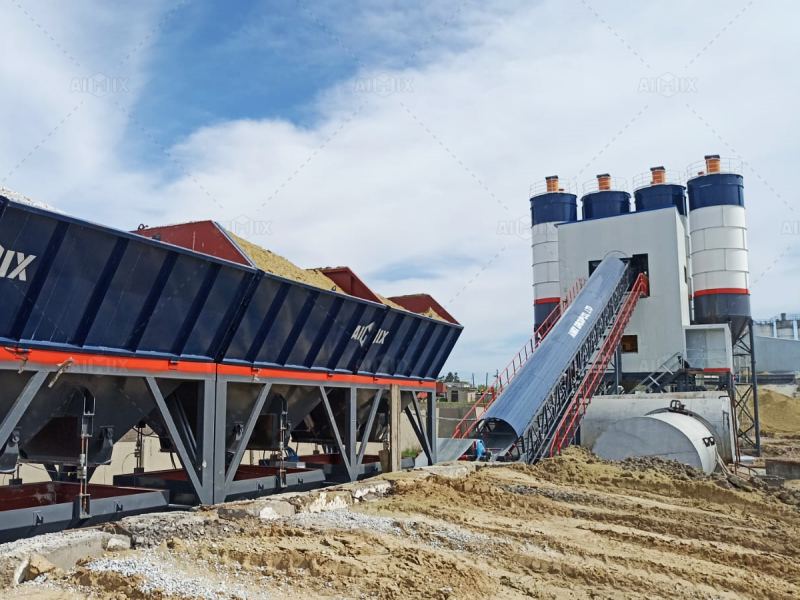
Stationary Concrete Mixing Plants and Sustainable Large-Scale Production
Stationary concrete mixing plants are widely used in large infrastructure projects such as highways, bridges, dams, and commercial buildings. These plants are installed at fixed locations and are designed for continuous, high-volume production.
From an environmental perspective, stationary concrete mixing plants offer several advantages. They are often equipped with advanced dust collection systems, wastewater recycling units, and enclosed material handling systems that significantly reduce pollution. These features help control particulate emissions and prevent material waste from entering the surrounding environment.
In addition, stationary systems are optimized for energy efficiency. Modern designs include automated control systems that precisely measure raw materials, reducing overuse of cement and aggregates. This not only lowers production costs but also reduces the carbon footprint of concrete manufacturing.
Mobile Concrete Mixing Plant and Flexible Eco-Friendly Construction
The mobile concrete mixing plant represents a highly flexible solution for projects that require on-site concrete production. These plants are designed for quick installation, relocation, and efficient operation in remote or temporary construction sites.
From an environmental protection standpoint, mobile batching systems reduce the need for long-distance transportation of ready-mix concrete. This significantly lowers fuel consumption and greenhouse gas emissions associated with transport trucks. By producing concrete directly at the construction site, mobile concrete mixing plants help reduce logistical inefficiencies and environmental impact.
Mobile systems are also increasingly equipped with energy-saving technologies and dust suppression systems. These improvements ensure that even temporary construction sites can comply with modern environmental standards while maintaining productivity.
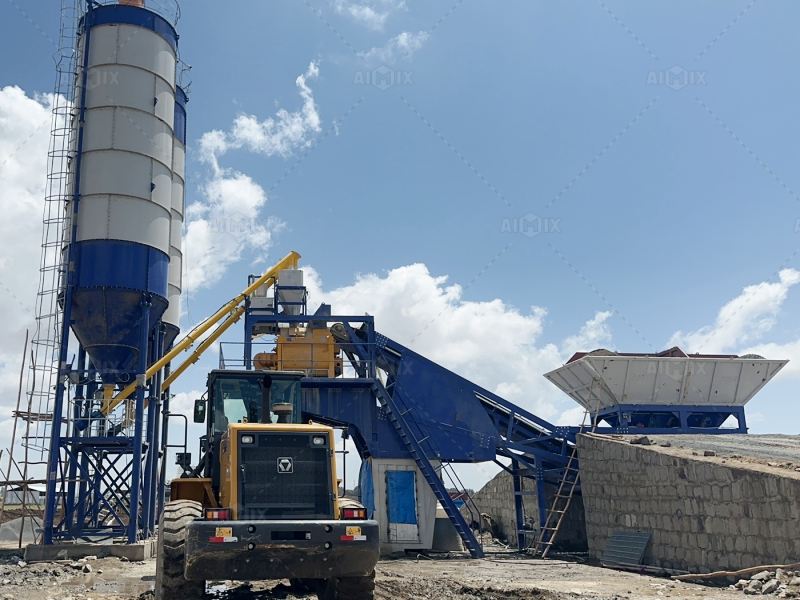
Small Concrete Mixing Plant and Sustainable Local Construction
The small concrete mixing plant is commonly used in small-scale construction projects, rural development, and local infrastructure works. These plants are designed for lower production capacity but offer high efficiency and simplicity of operation.
From a sustainability perspective, small concrete mixing plants play an important role in reducing material waste and supporting localized production. By producing concrete close to the point of use, they minimize transportation distances and reduce environmental pollution caused by logistics operations.
Small plants are also easier to operate and maintain, which reduces energy consumption and operational complexity. Many modern designs incorporate electric drive systems instead of diesel engines, further reducing emissions and improving environmental performance.
Environmental Protection in Modern Batching Systems
Across all types of batching plants, environmental protection technologies are becoming standard features. Dust collection systems, water recycling mechanisms, and noise reduction structures are now commonly integrated into plant designs.
These systems help reduce the environmental footprint of concrete production while ensuring compliance with increasingly strict global environmental regulations. Automation also plays a key role by optimizing material usage and reducing human error, which leads to more efficient resource consumption.
Additionally, manufacturers are focusing on developing eco-friendly materials handling systems that minimize spillage and waste during production. This contributes to cleaner construction sites and improved sustainability performance.
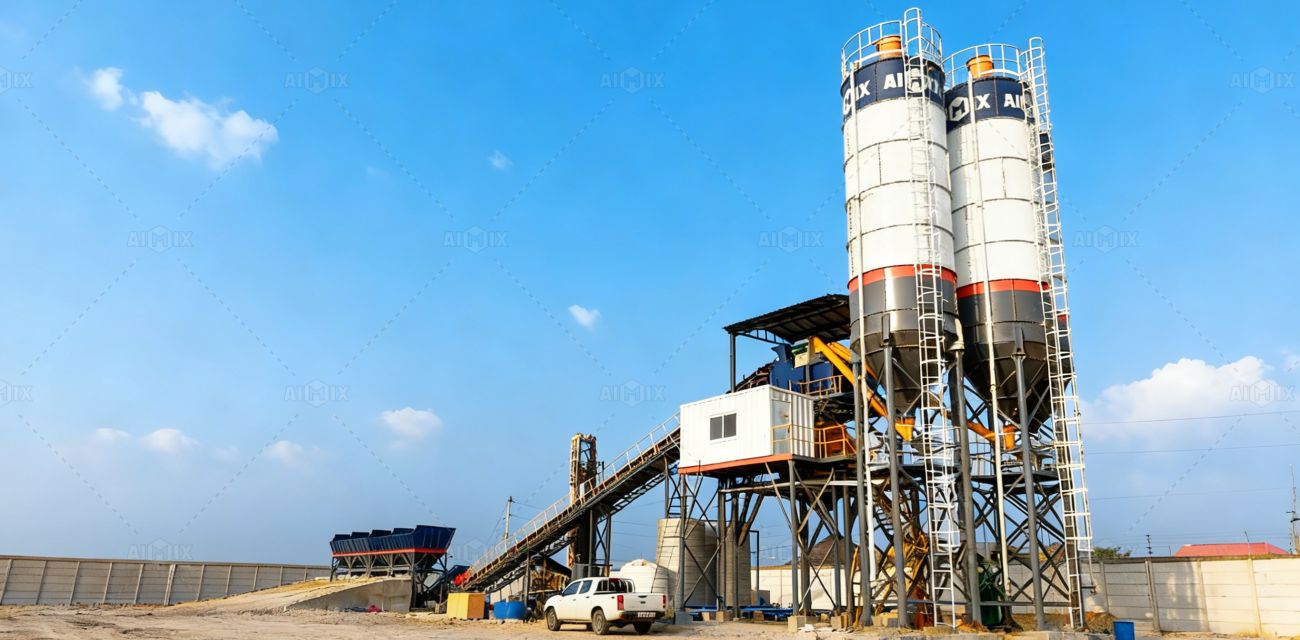
Role in Sustainable Construction Development
Sustainable construction requires a balance between productivity, cost efficiency, and environmental responsibility. Different batching plant types contribute to this balance in different ways.
Stationary plants support large-scale, long-term infrastructure with high efficiency and low per-unit production costs. Mobile plants offer flexibility and reduced transport emissions for dynamic project environments. Small plants support localized development with minimal environmental impact and simplified operation.
Together, these systems enable construction companies to choose the most appropriate solution based on project scale, location, and environmental requirements.
Conclusion
The evolution of different types of batching plant reflects the construction industry’s commitment to sustainability and environmental protection. Whether using stationary concrete mixing plants for large infrastructure projects, a mobile concrete mixing plant for flexible on-site production, or a small concrete mixing plant for local construction, each system contributes to reducing environmental impact while improving efficiency.
As global construction standards continue to evolve, batching plant technology will play an increasingly important role in achieving sustainable development goals, ensuring that modern infrastructure growth aligns with environmental protection principles.