
Producing high-quality cement powder begins long before the raw material enters a grinding mill. The efficiency of the entire production line largely depends on whether the limestone is crushed to the proper size with consistent particle distribution. Many cement producers focus on selecting a high-performance grinding mill while overlooking the crushing stage. This imbalance often results in excessive energy consumption, unstable mill operation, increased wear of grinding components, and inconsistent cement quality. In reality, a grinding mill can only perform as efficiently as the material it receives.
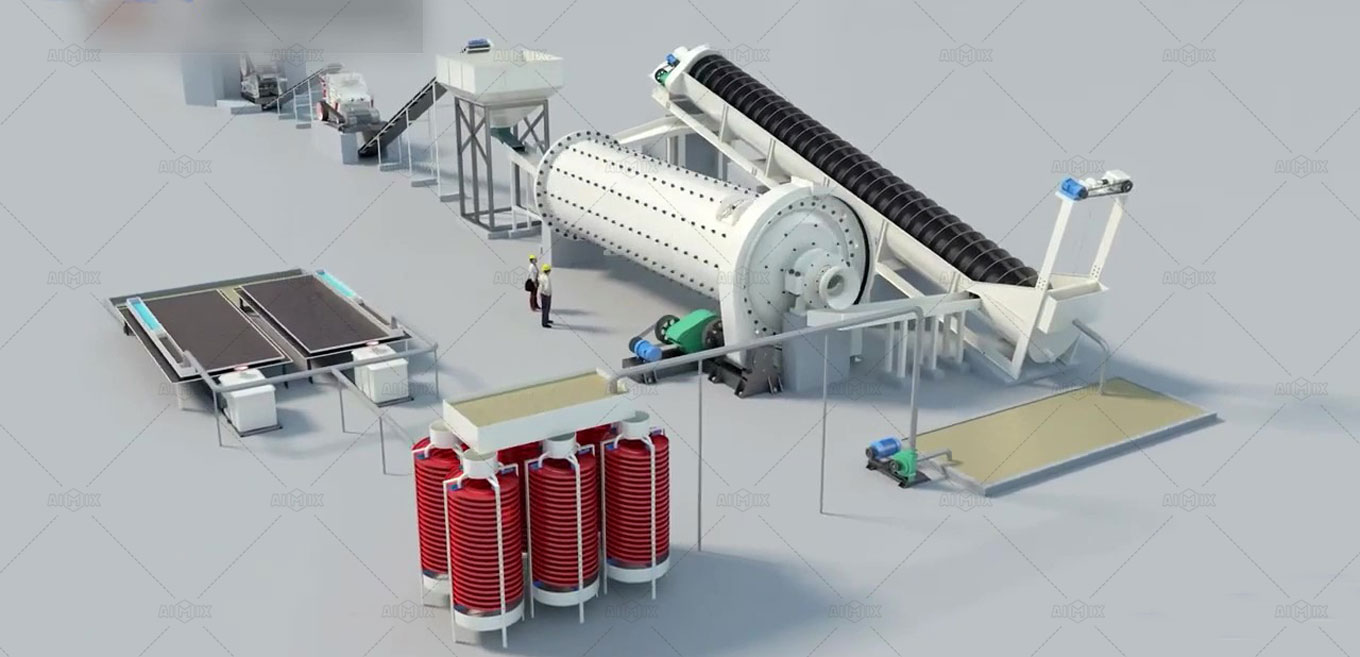
A well-designed limestone processing line treats the crusher and grinding mill as complementary systems rather than independent machines. The limestone crusher machine determines the feed size, particle shape, and production capacity, while the grinding mill determines the final powder fineness and throughput. Matching these two stages correctly creates a balanced production process that minimizes operating costs, improves equipment lifespan, and ensures continuous production. Understanding how these machines work together is essential for building an efficient cement powder production line.
Understand the Requirements Before Selecting Equipment
Know the Characteristics of Your Limestone
Although limestone is generally classified as a soft to medium-hard rock, not all deposits behave the same during crushing and grinding. Variations in hardness, moisture content, silica content, clay impurities, and compressive strength directly influence equipment selection.
Dense limestone with higher compressive strength may require a more robust primary crusher to maintain stable throughput. Limestone containing excessive moisture can create material buildup inside crushers and feeding systems, reducing operational efficiency. Likewise, abrasive impurities accelerate wear on crushing liners and grinding media, increasing maintenance costs over time.
A complete material analysis should therefore be the starting point of every cement plant design. Selecting equipment without understanding the raw material often leads to oversized machines, production bottlenecks, or unnecessary energy consumption.
Define the Final Cement Powder Specifications
The crushing stage should always be designed around the grinding requirements rather than operating as an isolated process. Cement plants may produce ordinary Portland cement, blended cement, or specialized cement products, each requiring different powder fineness.
Grinding ball mill grinding machine perform most efficiently when receiving uniformly sized feed materials. Oversized limestone particles reduce grinding efficiency because the mill must spend additional energy on size reduction instead of fine grinding. Conversely, excessively fine feed generated during crushing can create unnecessary dust generation and increase handling losses before grinding.
Matching the crusher discharge size with the mill’s recommended feed specification creates a balanced production system that maximizes overall plant efficiency.
Select the Right Limestone Crusher for the Grinding Process
Jaw Crushers for Primary Limestone Size Reduction
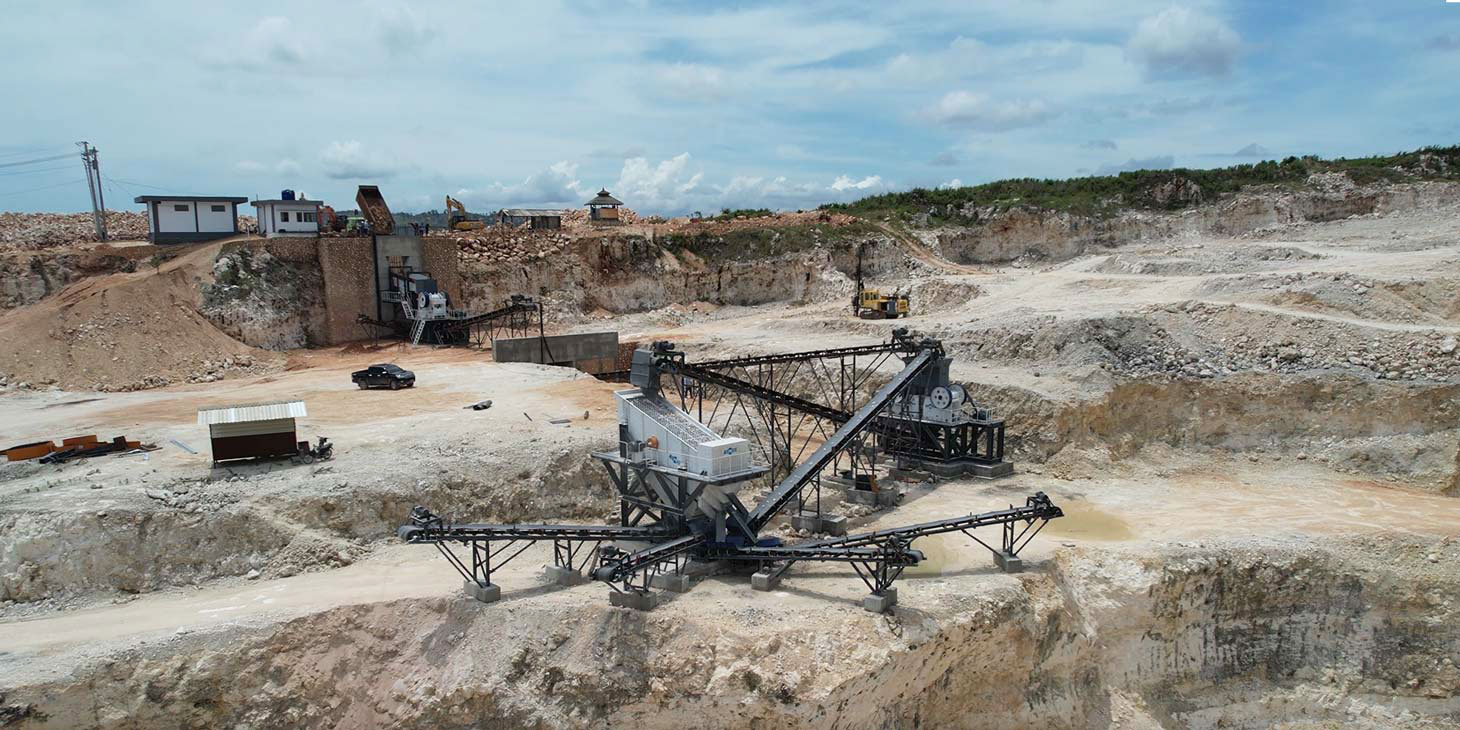
Most cement production lines begin with a jaw crusher because it can efficiently handle large limestone blocks extracted from quarries. Feed sizes exceeding 600 mm can typically be reduced to approximately 100–150 mm during primary crushing, depending on the crusher model and discharge settings.
Jaw crushers offer high reliability, simple mechanical structures, and relatively low operating costs. More importantly, they produce a consistent feed for the secondary crushing stage while maintaining stable production capacity.
For large cement plants processing hundreds of tons per hour, a properly sized jaw crusher mobile establishes the foundation for the entire material preparation system.
Impact Crushers Create Ideal Feed for Grinding Mills
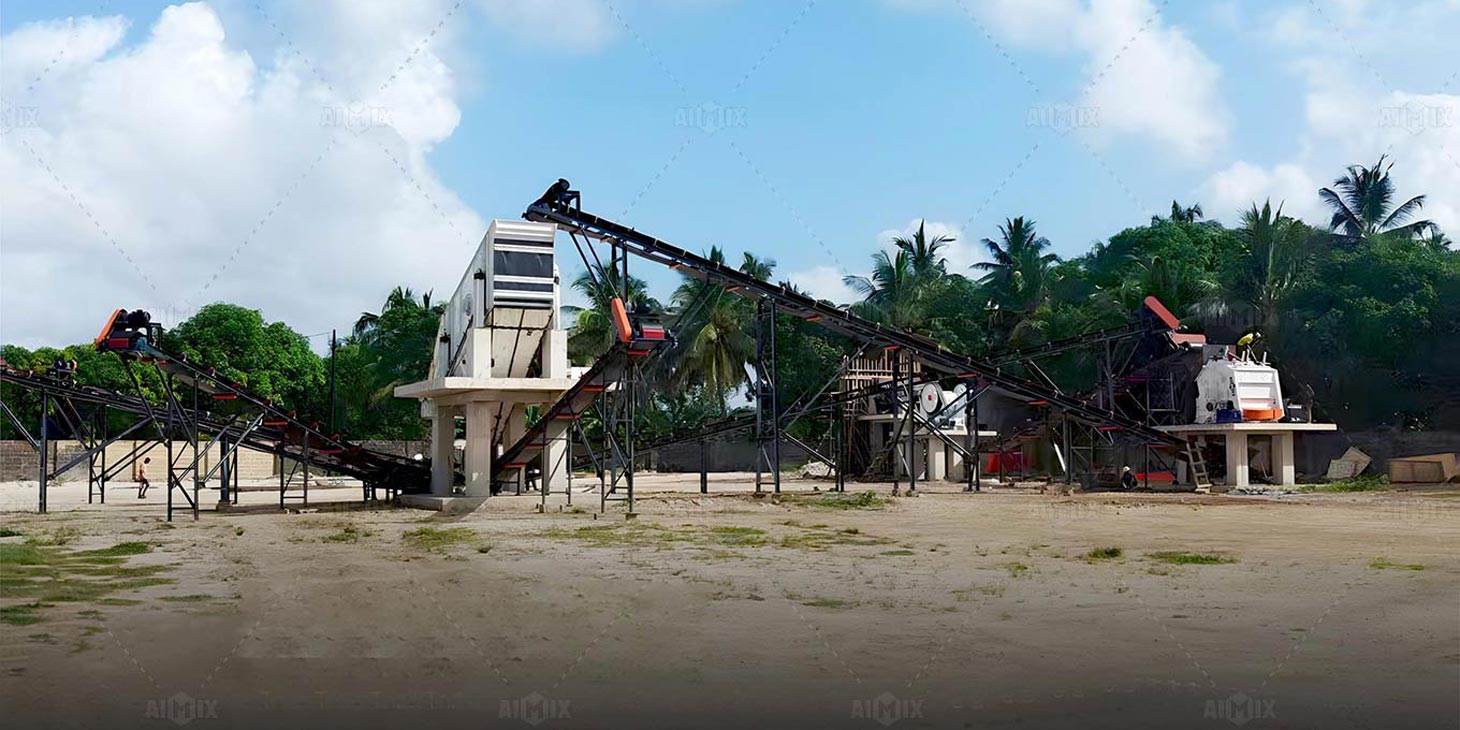
After primary crushing, impact crushers are widely used because limestone possesses relatively low abrasiveness and brittle fracture characteristics. Instead of compressing the material repeatedly, impact crushers accelerate limestone against impact plates, producing more uniform particle sizes and improved particle shape.
This secondary crushing stage is particularly important because grinding mills perform better with evenly graded feed. Reduced particle size variation improves grinding stability while lowering circulating loads within the milling circuit.
For many cement plants, an impact crusher can reduce limestone to below 30 mm, making it suitable for direct feeding into most grinding systems.
When Additional Crushing Is Necessary
Large-capacity cement factories or plants processing exceptionally coarse limestone may introduce a tertiary crushing stage. This additional reduction creates narrower particle size distributions before grinding begins.
Although tertiary crushing increases initial investment, it often reduces overall electricity consumption during grinding. Since grinding represents the largest energy consumer in cement production, improving feed preparation frequently delivers long-term operational savings that outweigh the additional equipment cost.
Choose a Grinding Mill That Complements the Crushing Stage
Ball Mills Remain a Reliable Solution
Ball mills continue to dominate cement powder production because of their versatility and proven performance. They can process limestone with relatively broad feed size variations while producing consistent cement fineness suitable for various applications.
However, ball mills consume considerable electrical energy. Their efficiency improves significantly when limestone enters the mill with controlled particle size and minimal oversized fragments. Proper crusher selection therefore directly affects the operating cost of a ball milling system.
Vertical Roller Mills Deliver Higher Grinding Efficiency
Modern cement plants increasingly adopt vertical roller mills (VRMs) because they combine grinding, drying, and classification into a single integrated process. Compared with conventional ball mills, VRMs generally achieve lower specific energy consumption and require less installation space.
These advantages, however, come with stricter feed requirements. Large feed size fluctuations or irregular material distribution may destabilize grinding pressure and reduce production efficiency. Consequently, the crushing system supplying a VRM must deliver highly consistent feed characteristics.
This is one reason why carefully matched jaw and impact crusher combinations have become common in new cement production facilities.
Maintain Capacity Balance Between Crushers and Mills
One of the most common design mistakes is selecting crushers and grinding mills with mismatched production capacities. An oversized crusher feeding an undersized mill creates material accumulation and storage challenges. Conversely, an undersized crushing system forces the grinding mill to operate below its designed throughput.
The objective is not to maximize the capacity of individual machines but to optimize the productivity of the entire production line. Equipment selection should therefore consider hourly output, maintenance schedules, surge storage capacity, and future production expansion.
Build an Efficient Limestone Processing System Instead of Choosing Individual Machines
Optimize Material Flow Across the Entire Production Line
Efficient cement production depends on continuous material flow rather than isolated equipment performance. Feeders, conveyors, storage silos, dust collection systems, and screening equipment all influence how effectively limestone moves from quarry to grinding.
Poor coordination between these systems often creates production interruptions even when the aggregate crushers and grinding mills themselves are operating normally. A properly engineered processing line minimizes transfer points, stabilizes feed rates, and reduces unnecessary equipment idle time.
Prioritize Long-Term Operating Costs Over Initial Investment
Purchasing lower-cost equipment may reduce capital expenditure initially, but higher maintenance requirements, increased energy consumption, and shorter component life frequently result in greater lifetime costs. Cement plants typically operate continuously for many years, making operational efficiency more valuable than the lowest purchase price.
Evaluating crushers and grinding mills based on lifecycle cost—including energy usage, wear parts, maintenance frequency, and production stability—provides a more accurate measure of long-term profitability.
Integrate Crushing and Grinding for Maximum Performance
Successful cement powder production is not determined by the performance of a single crusher or a single grinding mill. It depends on how effectively both systems function together. A jaw crusher establishes efficient primary reduction, an impact crusher prepares uniformly sized feed, and a properly matched grinding mill transforms that material into high-quality cement powder with minimal energy consumption.
When crushing and grinding capacities are carefully balanced, particle size is consistently controlled, and equipment is selected according to raw material characteristics, the entire cement production line becomes more productive, more economical, and more reliable. Rather than viewing crushers and grinding mills as separate investments, cement manufacturers should consider them as interconnected components of one integrated processing system designed to maximize efficiency from the first crushed stone to the final cement powder.