
For road construction contractors, winning several short-term projects across different locations can create an investment challenge. A contractor may need to produce asphalt for a municipal road repair this month, complete an access road next month, and move to another region for a smaller paving contract shortly afterward. In this situation, relying on an external asphalt supplier can increase transportation costs, create delivery delays, and reduce control over construction schedules.
Buying an asphalt mixing plant can solve some of these problems. However, a traditional stationary plant may not be the most practical option when projects are temporary, geographically scattered, or frequently changing. This is why many contractors consider a mobile asphalt plant as an alternative investment. Its value comes not simply from its ability to produce hot mix asphalt, but from how it supports equipment relocation, project scheduling, production planning, and long-term business flexibility.
So, is a mobile asphalt plant a better investment for contractors handling multiple short-term projects? The answer depends on annual asphalt demand, project locations, relocation frequency, production requirements, and the cost of operating an independent asphalt supply system. Understanding these factors will help contractors make a decision based on actual project economics rather than equipment price alone.
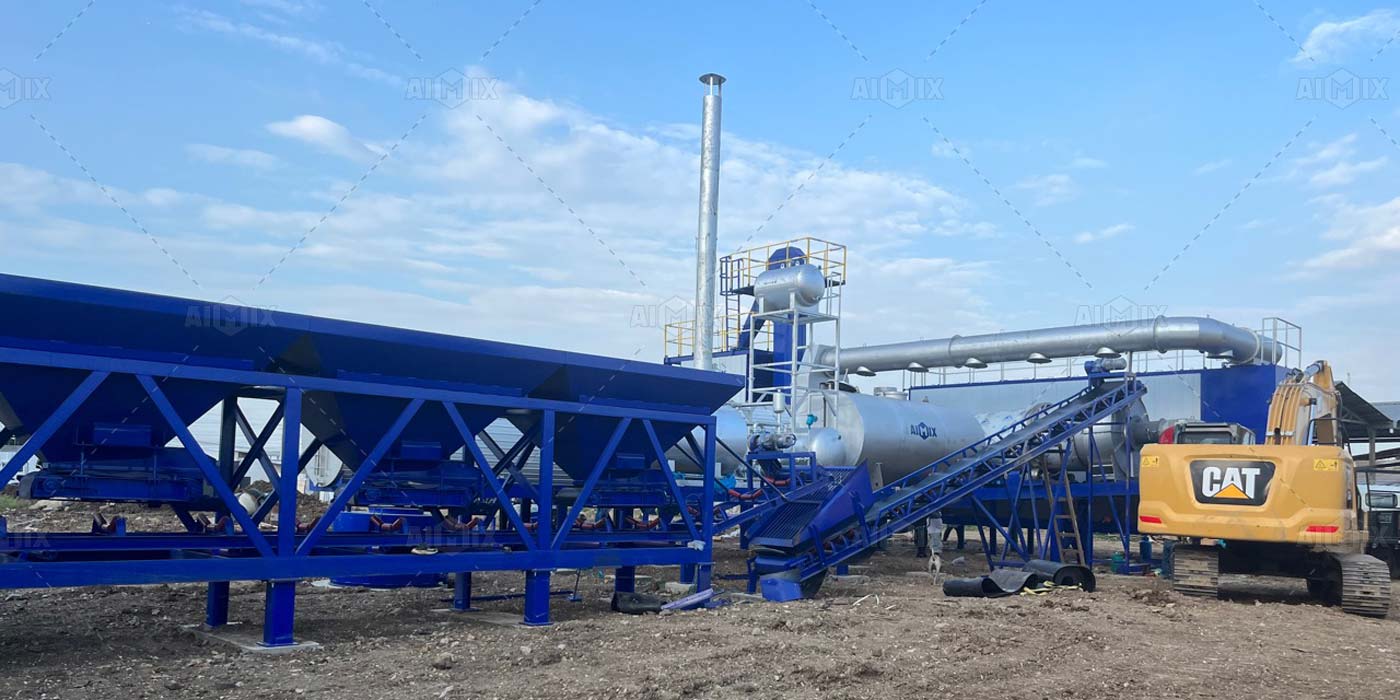
Why Multiple Short-Term Projects Change Asphalt Plant Investment Decisions
Before comparing different plant configurations, contractors should understand why short-term projects create different production requirements from long-term highway construction contracts.
Scattered Project Locations Increase Asphalt Supply Costs
Contractors handling several small and medium-sized projects often work across different districts, cities, or regions. A single project may require asphalt for only a few weeks, while another may start immediately after the first one finishes.
When asphalt comes from an external supplier, the contractor must coordinate production availability, truck dispatch, delivery distances, and paving schedules. These factors become more difficult when projects are far from existing asphalt plants.
For example, a contractor working on rural roads, industrial access roads, municipal streets, and mining roads may face different transportation conditions at each site. Long delivery distances can increase fuel consumption and transportation expenses. In addition, traffic congestion, poor road conditions, and unexpected delays can affect asphalt temperature and paving quality.
Consequently, local asphalt production may become a more practical option when contractors have enough recurring demand across several projects.
Short Contracts Make Fixed Infrastructure More Difficult to Justify
A stationary asphalt plant can deliver consistent production for long-term projects. However, it normally requires a suitable permanent site, foundation work, installation, and supporting infrastructure.
These investments make sense when a contractor has continuous production demand in one location. However, the calculation changes when a project lasts only two or three months and the next contract takes place hundreds of kilometers away.
If the plant remains at the original site, the contractor may need to transport asphalt over long distances. Alternatively, relocating a conventional stationary plant can involve considerable dismantling, transportation, and reinstallation work.
Therefore, contractors should evaluate equipment mobility as part of the initial investment rather than treating relocation as an additional operational detail.
How a Mobile Asphalt Plant Supports Contractors With Multiple Projects
Once project locations and contract durations become important investment factors, a mobile configuration offers several operational advantages. However, these advantages depend on the actual plant design and the conditions at each construction site.
1. Move Production Closer to Each Construction Site
The main advantage of a mobile asphalt plant is its ability to move between suitable production locations. Instead of depending entirely on a permanent asphalt production facility, contractors can transport the equipment closer to their current projects.
This arrangement can reduce the distance between asphalt production and paving operations. As a result, contractors may reduce truck transportation requirements, improve delivery coordination, and gain better control over the supply schedule.
For example, a road contractor may complete a municipal road rehabilitation project in one district before moving to an industrial access road in another area. If the new project has sufficient asphalt demand and suitable site conditions, relocating the plant may offer operational benefits compared with purchasing all asphalt from a distant supplier.
However, contractors should calculate the actual relocation distance and transportation cost. Moving a plant every few weeks may create unnecessary expenses. Mobility provides the greatest value when relocation follows a clear project schedule.
2. Reduce Dependence on External Asphalt Suppliers
External asphalt suppliers remain useful for contractors with occasional or very small paving requirements. Nevertheless, frequent dependence on third-party production can create challenges when several projects compete for the same supply capacity.
With an in-house asphalt plant, contractors can organize production around their own construction schedules, subject to equipment capacity, material availability, and operating hours.
This gives project managers greater control over:
- Daily asphalt production planning according to paving progress.
- Production timing when road closures or traffic restrictions limit working hours.
- Coordination between aggregate preparation, mixing, transportation, and paving.
- Supply arrangements for several projects with different delivery requirements.
- Quality monitoring throughout the asphalt production process.
More importantly, an independent production system can reduce the risk of project delays caused by limited external supply. However, the contractor must also take responsibility for plant operation, raw materials, maintenance, and production quality.
3. Use One Production Asset Across Different Contracts
A mobile asphalt plant can serve multiple projects throughout the year instead of remaining dedicated to one construction site.
This creates an important investment advantage. Rather than purchasing separate production equipment for different temporary contracts, contractors can potentially use one plant across several locations.
For example, consider a contractor with four road construction contracts in different districts. Each project has a different start date and production requirement. If the project schedule allows the plant to move between locations without excessive downtime, one mobile production system may support all four contracts.
However, the contractor must check whether the total annual production demand matches the plant’s practical capacity. The theoretical hourly output does not represent actual annual production because maintenance, setup, weather, material supply, and working schedules all affect operating hours.
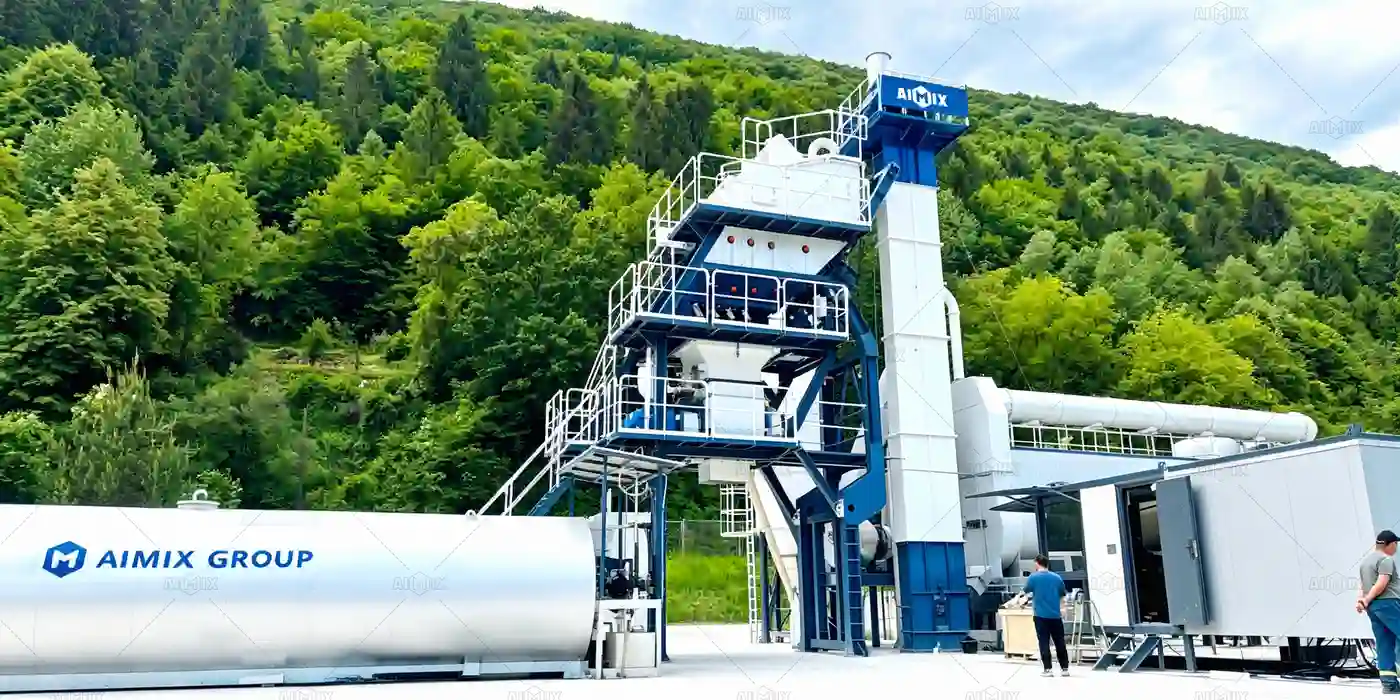
Mobile Asphalt Plant vs. Stationary Asphalt Plant: Which Is Better for Short-Term Projects?
Although mobility is attractive, it does not automatically make a mobile plant the better investment. Contractors should compare both configurations based on their actual construction business model. They should also distinguish between a mobile plant and a containerized configuration, since transport arrangements and installation requirements can vary between designs. For projects that prioritize modular transportation, a containerized portable asphalt mixing plant may also be worth evaluating.
When a Mobile Asphalt Plant Makes More Sense
A mobile asphalt plant is generally worth considering when a contractor handles projects with changing locations and temporary production requirements.
- Multiple project locations: The contractor regularly moves between different construction areas.
- Short contract durations: Individual projects do not justify building permanent asphalt production infrastructure.
- Moderate production requirements: The required output matches the practical capacity of a mobile plant.
- Limited permanent site availability: Suitable land for a permanent asphalt plant is difficult or expensive to secure.
- Recurring annual demand: Several contracts provide enough cumulative production demand to keep the equipment productive.
When a Stationary Asphalt Plant Is the Better Investment
On the other hand, a stationary asphalt plant may deliver better long-term value when production demand remains concentrated in one area.
- Long-term highway contracts: Continuous production is required for an extended period.
- Large annual asphalt volumes: High production demand can justify permanent infrastructure.
- Stable production locations: The contractor has access to a suitable permanent site.
- Frequent daily production: The plant operates regularly with limited relocation requirements.
- Centralized asphalt supply: The contractor supplies several nearby construction projects from one production base.
In other words, the decision is not simply mobile versus stationary. It is a comparison between production flexibility and long-term operating efficiency.
Calculate the Real Investment Cost Beyond the Purchase Price
After identifying the suitable plant configuration, contractors should examine the total cost of ownership. The equipment purchase price is only one part of the investment. Reviewing the asphalt mix plant price is a useful starting point, but a quotation alone cannot determine whether the equipment will generate a positive return.
Initial Equipment and Installation Costs
A mobile asphalt plant may reduce certain site preparation and relocation requirements compared with a conventional stationary configuration. Nevertheless, contractors should not assume that every mobile plant operates without foundations or supporting infrastructure.
Depending on the equipment design, installation may still require a stable working platform, electrical connections, fuel systems, material storage areas, and safe access for trucks.
Before purchasing, request a detailed quotation that identifies the following items:
- Complete plant configuration and production capacity.
- Cold aggregate feeding and drying systems.
- Mixing system and finished asphalt discharge arrangement.
- Dust collection and environmental protection equipment.
- Bitumen storage and heating systems, where included.
- Control system and operating components.
- Transportation, installation, and commissioning requirements.
- Optional equipment and spare parts.
A quotation with a lower equipment price may exclude important components. Therefore, comparing complete plant configurations is more reliable than comparing headline prices.
Relocation and Transportation Expenses
Mobility has economic value only when the cost of moving the equipment remains reasonable.
Contractors should calculate the transportation cost for each planned relocation, including loading, unloading, permits, vehicle arrangements, labor, and setup time.
For projects across islands or remote regions, sea transportation and port handling may also affect the investment calculation. In Indonesia, for example, a contractor moving equipment between Java, Sumatra, Kalimantan, or Sulawesi should evaluate actual shipping routes and local site access before choosing a mobile configuration.
Additionally, the plant’s transport dimensions and weight may determine whether special trailers, route surveys, or additional permits are necessary.
Operating Costs and Maintenance
Fuel, electricity, labor, spare parts, and maintenance all influence the cost per ton of asphalt.
To estimate operating expenses accurately, contractors should request actual consumption data for the proposed plant configuration. Fuel consumption varies with aggregate moisture, production temperature, burner efficiency, material characteristics, and operating conditions.
Maintenance planning also matters. A plant that moves between projects may require regular inspections of connections, supporting structures, electrical systems, and mechanical components after transportation.
Therefore, a realistic investment assessment should include both production expenses and the cost of keeping the equipment available throughout the construction season.
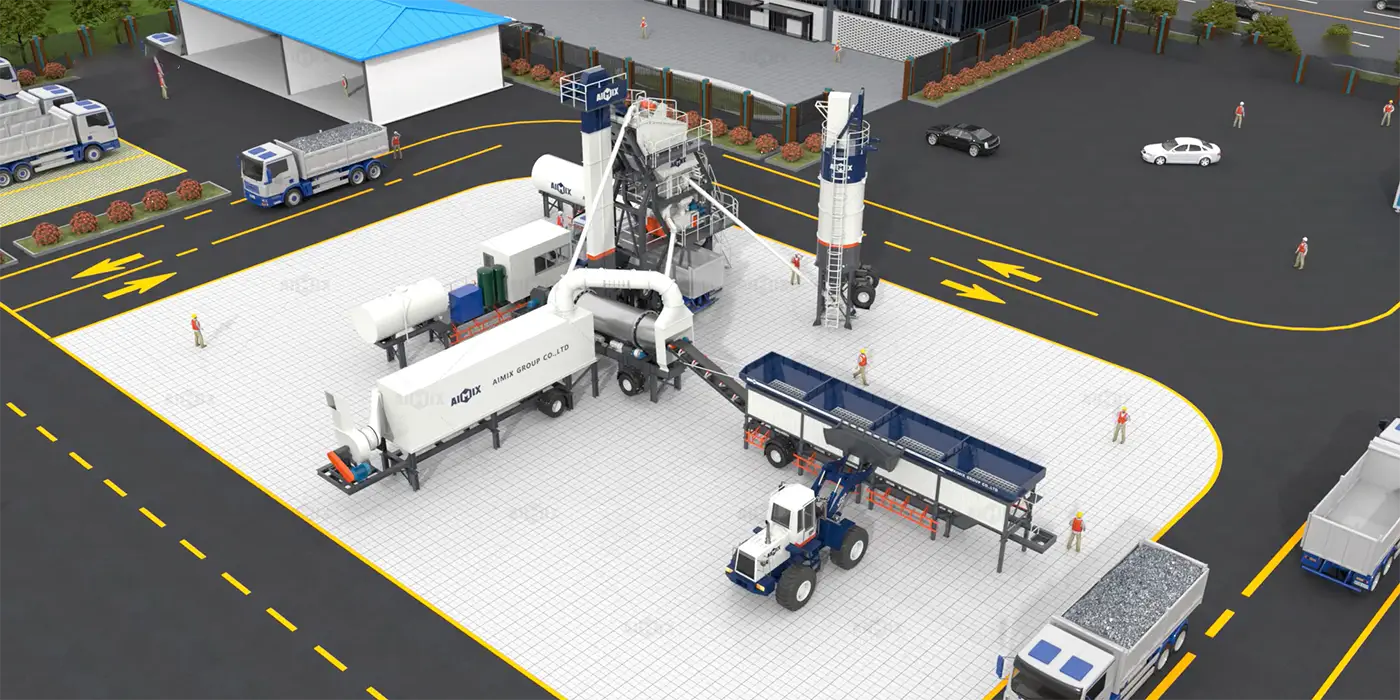
How to Evaluate the Return on Investment for Multiple Short-Term Projects
Understanding the total investment cost leads to the most important question: can the contractor generate enough annual asphalt production to recover the investment?
Calculate Annual Asphalt Demand Instead of Looking at One Project
A common investment mistake is evaluating an asphalt plant based on the production requirements of only one contract. For contractors with multiple short-term projects, annual demand provides a more useful starting point.
For example, assume a contractor expects the following asphalt requirements:
- Project A: 8,000 tons of asphalt.
- Project B: 12,000 tons of asphalt.
- Project C: 6,000 tons of asphalt.
- Project D: 10,000 tons of asphalt.
The combined annual demand is 36,000 tons. This does not mean that the plant must produce 36,000 tons continuously. Instead, the contractor must examine project schedules, daily paving requirements, relocation periods, and available operating days.
If the projects overlap, the required production capacity may be higher. If they take place sequentially, a smaller plant may meet the demand more economically.
Compare In-House Production With Purchased Asphalt
Contractors should compare the cost of producing one ton of asphalt internally with the delivered purchase price from an external supplier.
The internal production cost should include:
- Aggregate, filler, and bitumen costs.
- Fuel and electricity consumption.
- Plant operators and supporting labor.
- Maintenance and replacement parts.
- Plant depreciation and financing expenses.
- Relocation, installation, and site preparation.
- Production losses and equipment downtime.
The external supply cost should include asphalt purchase prices, transportation, delivery coordination, and any additional expenses caused by waiting time or supply interruptions.
The difference between these two costs helps contractors estimate the potential savings from owning an asphalt plant.
Understand the Break-Even Point
The break-even calculation helps determine how many tons of asphalt the contractor needs to produce before recovering the investment.
A simplified calculation is:
Break-Even Production Volume = Annual Fixed Costs / (External Delivered Asphalt Cost Per Ton – Internal Variable Production Cost Per Ton)
For example, if the annual fixed costs are $120,000, the external delivered asphalt cost is $55 per ton, and the internal variable production cost is $40 per ton, the contribution toward fixed costs is $15 per ton.
The simplified break-even production volume is therefore 8,000 tons per year.
This example is for calculation purposes only. Actual results depend on equipment financing, depreciation, local material prices, taxes, production efficiency, and other operating expenses.
Contractors should also evaluate cash flow and the time required to recover the initial investment. A plant may produce positive savings per ton but still create financial pressure if project payments arrive later than equipment and material expenses.
Choosing the Right Mobile Asphalt Plant Capacity
Once the investment case looks reasonable, the next step is selecting a suitable production capacity. The correct choice should reflect actual paving demand rather than the largest output available. Contractors comparing mobile asphalt mixing plants for sale should focus on practical output, transport arrangements, and the production requirements of their upcoming contracts.
Small and Medium Capacity for Scattered Road Projects
Contractors working on municipal roads, village roads, industrial access roads, and smaller rehabilitation contracts may benefit from a compact production configuration.
Depending on the project requirements, mobile asphalt plant capacities around 20–60 TPH may be worth evaluating. These capacities can suit contractors who need flexible production without maintaining a large production facility.
However, the final selection should account for the actual paving rate, working hours, asphalt delivery distance, and project duration.
Medium and Larger Capacity for Multiple Overlapping Contracts
Contractors handling several projects simultaneously may require higher production capacity.
Plants in the 60–120 TPH range may be suitable for projects with more substantial daily asphalt requirements. For larger highway or infrastructure contracts, capacities above 120 TPH may deserve consideration if the production schedule supports the investment.
Nevertheless, a higher-capacity plant does not automatically deliver a better return. If the contractor cannot maintain sufficient production demand, excess capacity can increase capital costs and reduce equipment utilization.
Check Actual Production Conditions Before Selecting TPH
Nominal production capacity is not the same as guaranteed daily output. Actual performance depends on aggregate moisture, material grading, asphalt mix design, production temperature, burner performance, and operating conditions.
Before selecting a model, contractors should ask the manufacturer for practical production information under comparable working conditions.
They should also confirm whether the proposed plant can support the required mix designs, bitumen grades, aggregate sizes, dust collection arrangements, and environmental requirements.
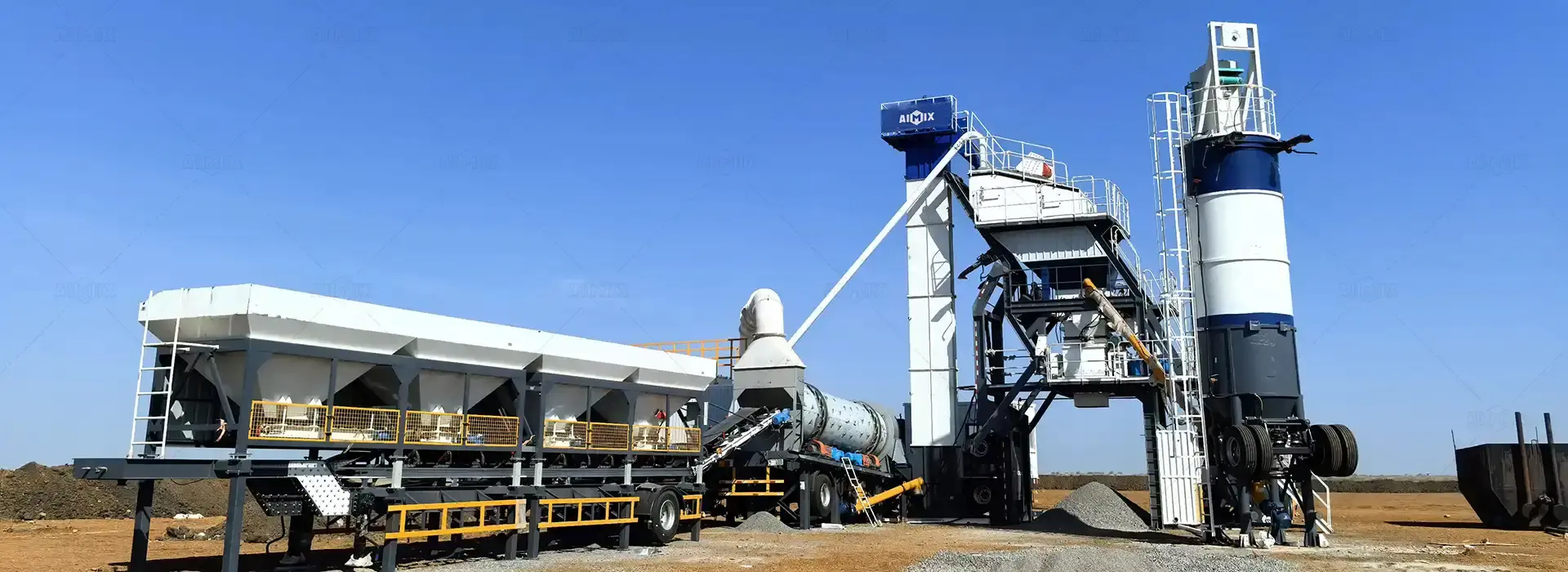
What Contractors Should Check Before Buying a Mobile Asphalt Plant
Even when a mobile plant appears suitable on paper, several practical details can determine whether the investment works successfully in the field.
1. Transportation Dimensions and Relocation Time
Ask for the transport dimensions and weight of each major component. Confirm whether the plant can travel using standard transport vehicles or requires special arrangements.
Also request a realistic relocation and recommissioning schedule. The shorter the gap between projects, the more important this information becomes.
2. Site Preparation and Installation Requirements
Confirm the ground conditions, working platform requirements, power supply, fuel storage, aggregate storage, and truck access needed for operation.
A mobile plant still needs a safe and organized production site. Contractors should not assume that mobility eliminates all civil works.
3. Asphalt Quality and Mix Design Flexibility
Production flexibility should not come at the expense of asphalt quality. Check the mixing system, weighing accuracy, temperature control, and compatibility with the required asphalt mix designs.
For public road projects, contractors must ensure that the plant and its operating procedures can meet the relevant local technical specifications and quality-control requirements.
4. Dust Collection and Environmental Compliance
Asphalt production involves aggregate drying, heating, mixing, and material handling. These processes can generate dust and emissions.
Therefore, contractors should examine the dust collection system, burner configuration, emission controls, and applicable environmental requirements at each project location.
For Indonesian projects, site-specific environmental approvals and local operating requirements should be checked before installation.
5. Spare Parts and Technical Support
Equipment downtime can affect multiple contracts when one plant serves several projects. For this reason, spare parts availability and technical support deserve attention during procurement.
When evaluating a trusted asphalt plant manufacturer, ask about warranty coverage, installation assistance, operator training, maintenance guidance, and the availability of critical replacement components.
A supplier that provides clear technical support arrangements can help reduce operational uncertainty throughout the equipment’s service life.
Is a Mobile Asphalt Plant the Right Investment for Your Contracting Business?
A mobile asphalt plant can be a strong investment for contractors who regularly handle short-term projects in different locations. However, its financial value depends on how frequently the equipment operates and how efficiently it moves between projects.
Before making a decision, contractors should assess their business conditions from three perspectives.
Choose a Mobile Plant If Your Business Needs Flexibility
A mobile configuration deserves serious consideration when your projects are geographically scattered, annual asphalt demand is recurring, and external supply creates significant transportation or scheduling challenges.
In this situation, equipment mobility can help contractors use one production asset across several contracts while maintaining greater control over asphalt supply.
Choose a Stationary Plant If Your Demand Is Concentrated
If most projects take place within one region and require continuous asphalt production, a stationary plant may provide better long-term operating efficiency.
Its permanent configuration can suit contractors who have stable production sites and sufficient annual demand to justify fixed infrastructure.
Consider a Project-Based Comparison Before Purchasing
If your business combines long-term and short-term contracts, compare both configurations using actual project data. Include annual production volume, transportation distance, relocation frequency, operating days, and expected equipment utilization.
This approach gives decision-makers a clearer understanding of the financial and operational trade-offs.